Introduction
Have you ever noticed how your energy, mood, and concentration can change depending on what you eat? Some days, you may feel active and focused, while on other days, you may feel tired or hungry soon after a meal. Your daily food choices can play an important role in these differences.
The importance of a balanced diet goes beyond maintaining a healthy weight. A balanced diet provides the nutrients your body needs to produce energy, build and repair tissues, support your immune system, and maintain overall health.
Eating well does not mean giving up all your favorite foods or following a strict diet. It means choosing a variety of nutritious foods in suitable amounts and building habits that fit your lifestyle. Even small changes, such as adding vegetables to lunch or choosing whole grains more often, can help you move toward healthier eating.
In this article, we will explore what a balanced diet means, why it matters, which nutrients your body needs, and how you can make healthy eating easier in everyday life.
What Is a Balanced Diet?
A balanced diet is an eating pattern that supplies your body with the energy and nutrients it needs to function properly. It includes a variety of foods from different food groups rather than relying heavily on just one type of food.
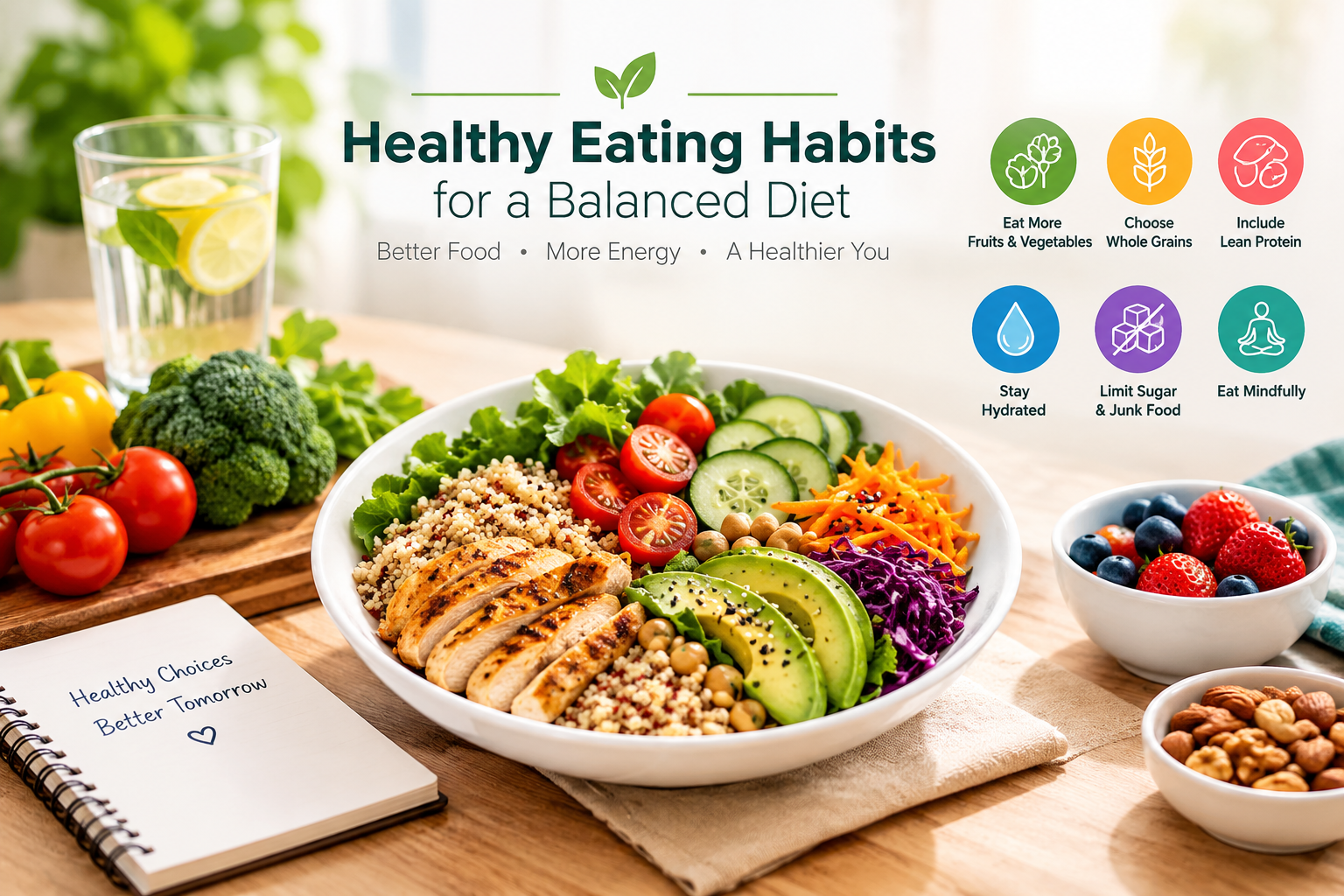
- Fruits and vegetables: Provide vitamins, minerals, fiber, and other beneficial plant compounds.
- Whole grains: Foods such as oats, whole-wheat bread, and brown rice provide carbohydrates, fiber, and energy.
- Protein-rich foods: Eggs, fish, chicken, beans, lentils, yogurt, and other protein sources support muscle maintenance and tissue repair.
- Healthy fats: Nuts, seeds, olive oil, and other unsaturated-fat sources support important body functions.
- Dairy foods or suitable alternatives: Milk, yogurt, and fortified alternatives can provide protein and calcium.
- Water: Helps regulate body temperature, transport nutrients, and support normal bodily functions.
The right balance depends on your age, activity level, health, cultural food preferences, and individual needs. There is no single meal plan that works perfectly for everyone.
Why Is a Balanced Diet Important?
Understanding the importance of a balanced diet can help you make food choices that support your health today and in the future.
1. Provides Energy for Daily Activities
Your body needs energy for everything from walking and working to studying and exercising. Carbohydrates, fats, and protein all contribute to energy needs, although the body uses them in different ways.
Whole grains, fruit, vegetables, and other nutrient-rich foods can help you build meals that provide energy along with important nutrients. Eating regular, satisfying meals may also help you manage hunger throughout the day.
If you often feel tired, food may be one factor, but sleep, stress, hydration, and medical conditions can also affect your energy levels.
2. Supports a Strong Immune System
Your immune system depends on several nutrients to function properly. Vitamins and minerals such as vitamins A, C, D, and zinc play different roles in normal immune function.
Eating a variety of vegetables, fruits, whole grains, protein sources, and other nutritious foods helps you obtain a broader range of these nutrients. For example, citrus fruits and peppers provide vitamin C, while eggs, fish, dairy products, and fortified foods can provide other important nutrients.
No single food can prevent every illness. Consistent healthy eating, adequate sleep, physical activity, and appropriate healthcare all contribute to overall well-being.
3. Helps Maintain a Healthy Weight
Healthy weight management is another reason why a balanced diet matters. Meals that include protein, fiber-rich carbohydrates, vegetables, and healthy fats can be satisfying and may help you manage hunger.
For example, a meal of lentils, vegetables, and whole-wheat roti provides a combination of nutrients and can be more satisfying than relying on a sugary snack alone.
Maintaining a healthy weight is not about eating as little as possible. It is about finding an eating pattern that provides enough nourishment and suits your individual needs. Weight is also influenced by factors such as genetics, sleep, medications, stress, and physical activity.
4. Supports Heart Health
A balanced diet can support cardiovascular health when it includes plenty of vegetables, fruits, whole grains, legumes, nuts, and suitable sources of unsaturated fats.
It can also help to limit excessive sodium, added sugars, and frequent consumption of foods high in saturated and trans fats. For example, replacing some highly processed snacks with fruit, unsalted nuts, or yogurt may be a useful everyday change.
You do not need to change your entire diet overnight. Gradually improving your usual food choices can be more practical and sustainable.
5. Supports Healthy Digestion
Fiber is an important part of a balanced diet because it supports bowel regularity and helps maintain digestive health. It is found in foods such as beans, lentils, vegetables, fruit, oats, and whole grains.
If your current diet contains little fiber, increase it gradually and drink enough water. Making sudden, large changes may cause bloating or discomfort in some people.
A varied diet can also provide nutrients that support the normal functioning of the digestive system. If you have persistent digestive symptoms, speak with a healthcare professional rather than assuming diet is the only cause.
6. Supports Brain Function and Mood
The brain requires a steady supply of energy and a range of nutrients to function normally. Regular, nourishing meals may help you stay focused and avoid becoming extremely hungry during the day.
Healthy eating is also part of a wider approach to mental well-being, alongside adequate sleep, exercise, social support, and stress management.
Food cannot replace treatment for depression, anxiety, or other mental health conditions. However, building a consistent eating routine can be one practical way to care for your overall health.
7. Supports Strong Bones and Muscles
Your bones and muscles need several nutrients to remain healthy. Protein supports muscle maintenance and repair, while calcium and vitamin D are important for bone health.
Useful foods include milk, yogurt, calcium-fortified alternatives, eggs, fish, beans, lentils, and other protein-rich foods. Weight-bearing activities, such as walking and strength exercises, also support bone and muscle health.
Your individual needs may vary depending on age, activity, pregnancy, and medical circumstances.
Essential Nutrients Your Body Needs
A balanced diet includes different nutrients because each one performs a specific role.
Carbohydrates
Carbohydrates are an important energy source. Choose fiber-rich options regularly, such as oats, whole-wheat roti, brown rice, fruit, and beans.
Protein
Protein helps build and repair body tissues and supports muscles. Good sources include eggs, fish, chicken, yogurt, lentils, chickpeas, beans, and tofu.
Healthy Fats
Fats help the body absorb certain vitamins and support cells and other essential functions. Nuts, seeds, and vegetable oils provide unsaturated fats. Fats are necessary, but the type and amount matter.
Vitamins and Minerals
Vitamins and minerals support many processes, including bone health, nerve function, and normal immune activity. Eating a variety of foods helps provide different micronutrients.
Fiber and Water
Fiber supports digestion and can help meals feel more satisfying. Water supports hydration and many normal bodily functions. Drink regularly throughout the day, adjusting your intake to activity, weather, and individual needs.
How to Build a Healthy Balanced Meal
You do not need complicated recipes to eat well. A simple way to plan many main meals is to fill approximately half your plate with vegetables and fruit, one-quarter with protein-rich foods, and one-quarter with grains or other starchy foods. Adjust this approach to your appetite, culture, activity, and nutritional needs.
For example, a meal could include a serving of chicken, fish, eggs, beans, or lentils; vegetables such as carrots, spinach, cucumber, or mixed seasonal vegetables; whole-wheat roti, brown rice, or another grain or starchy food; and water or another suitable unsweetened drink.
You can use the same principle with familiar foods. Daal with whole-wheat roti and vegetables, for example, can be part of a nutritious meal. The goal is variety and overall balance, not perfection at every meal.
Simple Healthy Eating Tips for Everyday Life
Plan Meals Ahead
Planning a few meals before the week begins can make healthy eating easier. Keep useful ingredients available, such as eggs, lentils, frozen vegetables, oats, fruit, and whole grains.
Eat More Fruits and Vegetables
Add fruit to breakfast, include vegetables with lunch, or serve a salad with dinner. Fresh, frozen, and suitable canned options can all help increase variety.
Choose Whole Grains More Often
Try replacing some refined-grain foods with oats, whole-wheat bread, whole-wheat roti, or brown rice. You can make changes gradually according to your taste and budget.
Limit Sugary Drinks
Frequent sugary drinks can add substantial amounts of added sugar. Water is a practical everyday choice, while unsweetened drinks can offer variety.
Be Flexible, Not Perfect
You can still enjoy desserts, snacks, and favorite family meals. A healthy diet is defined by your overall eating pattern, not by a single meal or food. Avoid labeling foods as completely good or bad, and focus on balance over time.
Common Mistakes to Avoid
- Skipping meals when it leaves you overly hungry later.
- Following very restrictive diets without a medical reason.
- Avoiding entire food groups without a suitable nutritional alternative.
- Believing that expensive health foods are necessary for good nutrition.
- Expecting immediate results from a few days of dietary changes.
- Using supplements as a replacement for a varied diet without professional advice.
If you have specific nutritional needs or a medical condition, a registered dietitian or qualified healthcare professional can help you make suitable choices.
Conclusion
The importance of a balanced diet lies in the way everyday food choices support energy, digestion, heart health, muscle maintenance, and overall well-being. Eating a variety of nutritious foods gives your body access to the nutrients it needs while helping you develop a more sustainable relationship with food.
You do not have to change everything at once. Start with one realistic step, such as adding a vegetable to dinner, choosing whole grains more often, or keeping fruit available for snacks. Over time, these small habits can become a natural part of your routine.
Healthy eating is not about perfection or strict rules. It is about nourishing your body consistently, enjoying your food, and choosing habits that you can maintain.
Health disclaimer: This article is for educational purposes and does not replace individualized medical or nutritional advice.
Frequently Asked Questions
What is the main purpose of a balanced diet?
The main purpose of a balanced diet is to provide the energy and nutrients your body needs for normal growth, repair, daily activities, and overall health.
What foods should a balanced diet include?
A balanced diet generally includes vegetables, fruits, whole grains, protein-rich foods, healthy fat sources, and suitable drinks. Dairy products or fortified alternatives can also contribute important nutrients.
Can a balanced diet help with weight management?
Yes. A nutritious eating pattern with satisfying meals and appropriate portions can support weight management. Individual results depend on overall energy intake, activity, health, and other factors.
How can I start eating a balanced diet on a budget?
Plan meals, use seasonal produce, buy beans and lentils, prepare food at home when practical, and choose affordable staples such as eggs, oats, and whole grains. Nutritious eating does not have to be expensive.
More Related Nutrition Guides from Fitorax
Explore these related nutrition guides to learn more about balanced eating: