Introduction
Getting enough quality sleep is essential for maintaining a healthy lifestyle. Sleep helps the body recover, improves concentration, supports mental health, and provides energy for daily activities. However, many people struggle to get better sleep because of stress, busy schedules, excessive screen time, and unhealthy sleeping habits. Learning how to sleep better can help you improve your physical health, emotional well-being, and daily productivity.
The good news is that you do not always need medication or complicated routines to improve your sleep. Following healthy sleep habits, creating a relaxing bedtime routine, and making small lifestyle changes can help you rest more comfortably. In this article, we will explore 15 practical tips for better sleep, natural ways to sleep better, and simple methods to improve sleep quality.
Why Is Quality Sleep Important?
The importance of sleep goes beyond feeling refreshed in the morning. Quality sleep supports memory, concentration, immune function, emotional balance, and physical recovery. It also plays an important role in maintaining a healthy weight and supporting normal body functions.
Most adults need at least seven hours of sleep each night, while many benefit from seven to nine hours. Following good sleeping habits can help you feel more energetic and focused throughout the day.
On the other hand, insufficient sleep may contribute to irritability, poor concentration, daytime tiredness, and reduced productivity. Long-term sleep deficiency is also associated with a higher risk of several health problems. Therefore, improving sleep quality should be an important part of your daily health routine.

15 Best Tips for Better Sleep
1. Maintain a Regular Sleep Schedule
One of the best tips for better sleep is to follow a consistent sleep schedule. Try to go to bed and wake up at approximately the same time every day, including weekends. This habit helps regulate your body’s internal clock and supports a healthy sleep-wake cycle.
If you want to know how to sleep better at night, start by choosing a realistic bedtime and maintaining it consistently. Avoid staying awake unnecessarily late because of television, social media, or other distractions.
2. Get Enough Sleep Every Night
Adults generally need seven to nine hours of sleep per night. Getting enough rest helps support concentration, memory, emotional well-being, and physical recovery.
If you regularly wake up tired, consider whether you are allowing enough time for sleep. Adjust your evening schedule so you can go to bed earlier when necessary. Healthy sleep habits begin with giving your body sufficient time to rest.
3. Reduce Screen Time Before Bed
Using smartphones, computers, and televisions late at night can delay bedtime and keep your mind stimulated. Bright light from electronic devices may also affect your natural sleep timing.
One of the simplest ways to improve sleep quality is to reduce screen time 30–60 minutes before bed. Instead, read a book, listen to relaxing music, or practise gentle breathing exercises. These activities can help you establish a healthy bedtime routine.
4. Avoid Caffeine in the Evening
Coffee, tea, energy drinks, and some soft drinks contain caffeine, which can interfere with sleep. Its effects may continue for several hours, depending on your sensitivity and the amount consumed.
If you want natural ways to sleep better, try limiting caffeine in the afternoon and evening. Choose water or a caffeine-free drink instead. This simple change may make it easier to fall asleep naturally.
5. Create a Relaxing Bedtime Routine
A healthy bedtime routine prepares your mind and body for rest. Spend the final 30 minutes before bed doing activities that help you relax.
You might take a warm shower, read a book, listen to peaceful sounds, or practise slow breathing. Avoid stressful conversations and demanding tasks immediately before bedtime.
Developing a regular night routine is one of the most useful sleep hygiene tips because it helps you transition from a busy day to a more peaceful evening.
6. Make Your Bedroom Comfortable
Your sleeping environment can affect how easily you fall asleep and stay asleep. A room that is too bright, noisy, or warm may interrupt your rest.
Keep your bedroom dark, quiet, and comfortably cool. Use comfortable bedding and reduce unnecessary distractions. A peaceful sleeping environment is one of the simplest healthy lifestyle tips for supporting better sleep at night.
7. Exercise Regularly
Regular physical activity supports physical health and may help improve sleep quality. Walking, cycling, swimming, and strength training are useful options for maintaining an active lifestyle.
If you spend most of the day sitting, start with a short daily walk and gradually increase your activity. Exercise may also help reduce stress and improve mood. However, if intense workouts make you feel alert at night, try exercising earlier in the day.
8. Manage Stress Before Bedtime
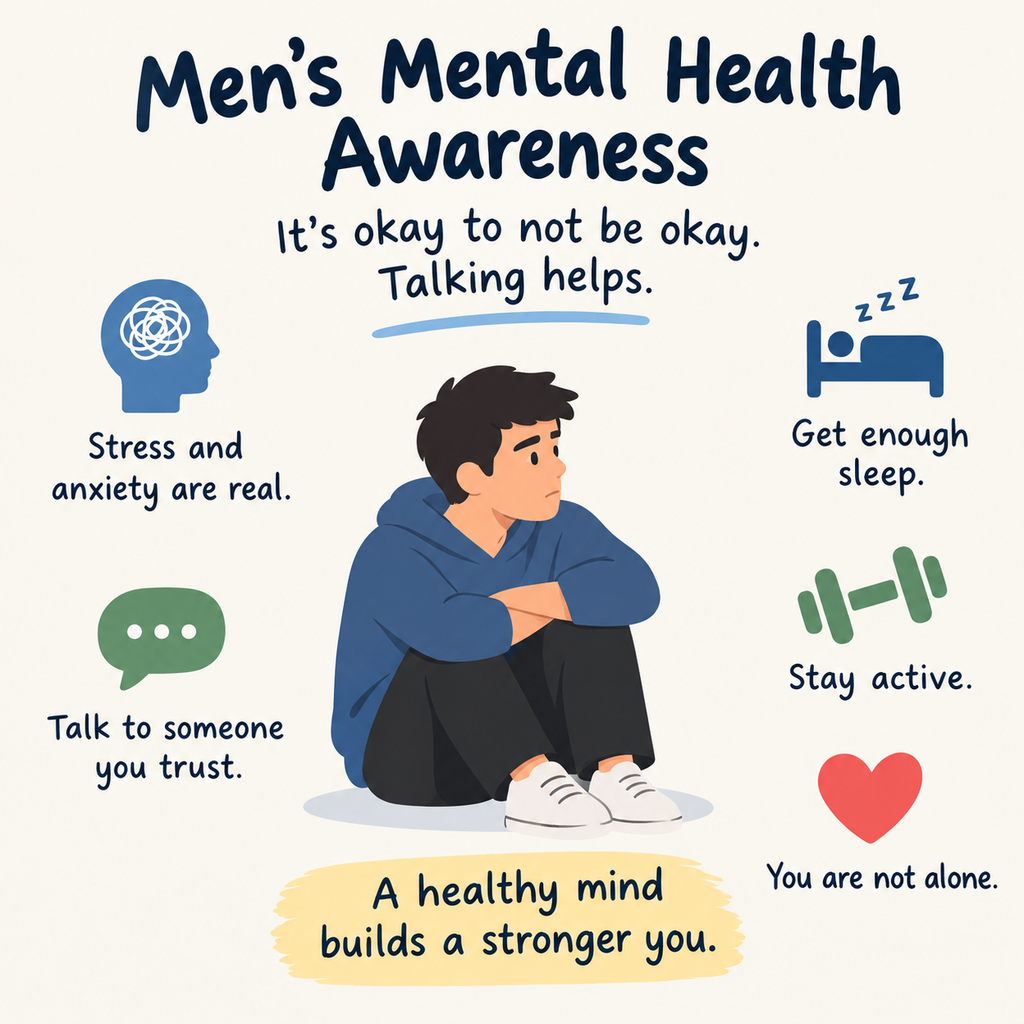
Stress and anxiety are common causes of sleep difficulties. Worries about work, studies, family responsibilities, or finances can make it difficult to relax when you lie down.
Try writing down your thoughts, preparing a simple plan for the next day, or practising relaxation techniques before bed. Talking with a trusted person may also help reduce emotional pressure.
Managing stress is important for both sleep and mental health. If anxiety regularly prevents you from sleeping, consider seeking professional support.
9. Avoid Heavy Meals Late at Night
Eating a large meal immediately before bedtime may cause indigestion, bloating, or heartburn. These problems can make it uncomfortable to fall asleep.
Try to eat your main evening meal a few hours before going to bed. If you feel hungry later, choose a light snack that suits your dietary needs. A balanced diet, regular meals, and healthy daily routines can support overall well-being.
10. Limit Alcohol Before Sleeping
Although alcohol may initially make you feel sleepy, it can disrupt your sleep later in the night. It may reduce overall sleep quality and worsen some breathing-related sleep problems.
Avoid using alcohol as a method for falling asleep. Instead, focus on relaxation techniques, a regular sleep schedule, and other natural sleep improvement strategies.
11. Get Natural Daylight During the Day
Exposure to natural daylight helps regulate your body’s internal clock. Spending time outdoors, particularly in the morning, may help you maintain a more consistent sleep-wake cycle.
Open your curtains after waking up or take a short morning walk. Combining daylight exposure with regular exercise and consistent sleeping times can support healthy sleep habits.
12. Limit Long Daytime Naps
Short daytime naps can help reduce tiredness, but long naps may make nighttime sleep more difficult. This is especially true when naps occur late in the afternoon.
If you have difficulty sleeping at night, try limiting naps to around 20 minutes and taking them earlier in the day. If you remain extremely tired despite allowing enough time for sleep, speak with a healthcare professional.
13. Stay Hydrated During the Day
Drinking enough water is important for general health. However, consuming large amounts of fluid immediately before bed may cause repeated nighttime bathroom visits.
Drink water regularly throughout the day and reduce large drinks close to bedtime if nighttime interruptions are a problem. Proper hydration, balanced nutrition, and physical activity are all useful parts of a healthy lifestyle.
14. Follow Healthy Sleep Hygiene Practices
Sleep hygiene refers to the daily habits and environmental conditions that support good sleep. These practices include maintaining a regular bedtime, keeping your bedroom comfortable, reducing nighttime distractions, and avoiding stimulating activities before bed.
If you cannot fall asleep after roughly 15–20 minutes, get up and do something quiet in dim light. Return to bed when you feel sleepy. Avoid repeatedly checking the clock, as this can increase stress.
These simple habits may help you fall asleep faster naturally and develop a more consistent sleeping pattern.
15. Seek Help for Persistent Sleep Problems
Occasional sleepless nights are common, but persistent sleep problems should not be ignored. If you regularly struggle to fall asleep, wake frequently during the night, or experience excessive daytime sleepiness, consult a healthcare professional.
Loud habitual snoring, gasping, or pauses in breathing during sleep may indicate sleep apnea and require medical assessment. Chronic insomnia can also be treated with evidence-based approaches, including cognitive behavioral therapy for insomnia (CBT-I).
Avoid regularly taking sleeping pills or supplements without appropriate medical advice.
Conclusion
Following these tips for better sleep can help you establish healthier daily routines and improve your overall well-being. Maintaining a regular sleep schedule, reducing screen time, managing stress, exercising regularly, and creating a comfortable bedroom are practical ways to support better sleep.
Remember that natural ways to sleep better work best when practised consistently. Start with two or three changes that fit your lifestyle and gradually develop healthier sleeping habits.
Quality sleep supports both physical and mental health, helping you feel more energetic, focused, and prepared for everyday challenges. If sleep difficulties continue despite making lifestyle changes, seek professional advice to identify the cause and find suitable treatment.
Disclaimer: This article is for educational purposes only and is not a substitute for professional medical advice.
Frequently Asked Questions
How can I improve sleep quality naturally?
Maintain a regular sleep schedule, limit caffeine late in the day, reduce screen time before bed, exercise regularly, and create a relaxing sleeping environment.
What are the best tips for better sleep at night?
The most useful strategies include keeping consistent sleeping times, managing stress, avoiding heavy meals before bed, and maintaining a comfortable bedroom.
How can I fall asleep faster naturally?
Try a relaxing bedtime routine, slow breathing, reduced evening screen use, and a quiet, dark bedroom. If insomnia continues, consider professional advice.
Why do I wake up tired after sleeping?
Possible reasons include insufficient sleep, poor sleep quality, stress, medication effects, or an underlying sleep disorder. Persistent tiredness should be discussed with a healthcare professional.