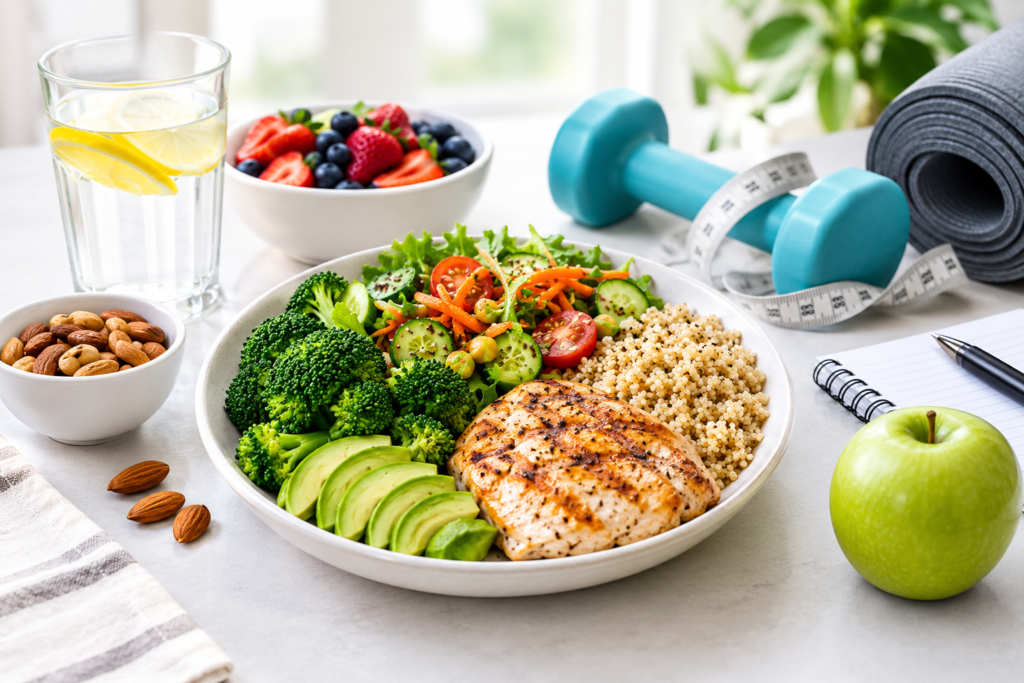
Weight Loss Diet: A Complete Guide to Healthy and Sustainable Weight Loss
Losing weight is not simply about eating less. A successful weight loss diet is about making smarter food choices, managing portions, staying active, and developing habits that you can maintain over time.
With so many diet plans available today, it can be difficult to know what actually works. Some diets promise rapid results, while others require strict restrictions. In reality, healthy weight management usually comes from a balanced eating pattern rather than extreme dieting.
This guide explains how to build a practical weight loss diet that supports nutrition, energy, fitness, and long-term health.
What Is a Weight Loss Diet?
A weight loss diet is an eating pattern that helps reduce overall calorie intake while providing the body with the nutrients it needs.
Weight loss generally occurs when you consistently use more energy than you consume. This difference is known as a calorie deficit.
However, creating a calorie deficit does not mean starving yourself. A well-planned diet should provide enough protein, fiber, vitamins, minerals, and other nutrients to support your body.
The best approach is one that is realistic and sustainable rather than extremely restrictive.
Build Your Diet Around Nutritious Foods
The foundation of a healthy weight loss diet should be nutrient-rich foods.
Try to include:
- Vegetables
- Fruits
- Whole grains
- Beans and lentils
- Eggs
- Fish
- Lean meats
- Low-fat dairy products
- Nuts and seeds
Vegetables and fruits provide important vitamins, minerals, and fiber. Whole grains and legumes provide carbohydrates and fiber, while protein-rich foods can help make meals more satisfying.
Instead of completely eliminating carbohydrates or fats, focus on choosing nutritious sources and keeping portions appropriate.
Protein: An Important Part of Weight Loss
Protein plays an important role in a healthy diet. It helps support muscles and can help you feel satisfied after eating.
Good sources of protein include:
- Eggs
- Chicken
- Fish
- Greek yogurt
- Cottage cheese
- Lentils
- Chickpeas
- Beans
- Tofu
- Nuts and seeds
Including protein in your meals can make it easier to build balanced meals and support an active lifestyle.
People who exercise regularly may also have higher protein needs, depending on their goals and overall diet.
Choose High-Fiber Foods
Fiber is another important part of a healthy eating pattern.
High-fiber foods can help add volume to meals and support digestive health. Many fiber-rich foods can also help you feel satisfied.
Good choices include:
- Oats
- Lentils
- Beans
- Chickpeas
- Apples
- Pears
- Berries
- Vegetables
- Whole grains
- Chia seeds
- Flaxseeds
If you are increasing your fiber intake, do it gradually and make sure you drink enough fluids.
Portion Control Matters
Even healthy foods can contribute to excess calorie intake when portions become too large.
You do not necessarily need to weigh every ingredient or count every calorie. Instead, start by becoming more aware of how much you are eating.
A simple balanced plate can contain:
½ plate vegetables and fruit + ¼ plate protein + ¼ plate whole grains or other carbohydrate foods
Healthy fats can also be included in moderate amounts through foods such as nuts, seeds, avocado, and olive oil.
Eating slowly and paying attention to hunger and fullness can also help with portion control.
Healthy Snacks for Weight Loss
Snacks can be part of a healthy diet. The key is choosing nutritious options and paying attention to portion sizes.
Some simple choices include:
- Fresh fruit
- Greek yogurt
- Boiled eggs
- A small handful of nuts
- Carrots or cucumber with hummus
- Cottage cheese
- Apple with a small amount of peanut butter
You do not have to snack simply because it is a certain time of day. If you are not hungry, you may not need a snack.

What Should You Drink?
Drinks can have a surprisingly large effect on daily calorie intake.
Water is an excellent everyday choice. Unsweetened tea and coffee can also fit into a healthy eating pattern.
Try to limit frequent consumption of:
- Sugary soft drinks
- Sweetened juices
- Energy drinks
- Highly sweetened coffees
- Other sugar-sweetened beverages
Replacing sugary drinks with water can be a simple way to reduce unnecessary calorie intake.
Your individual fluid needs depend on factors such as activity level, climate, and overall health.
Example of a Healthy Weight Loss Meal Plan
There is no single meal plan that works for everyone, but a simple structure can make healthy eating easier.
Breakfast
Option:
Oatmeal topped with berries and plain Greek yogurt.
Alternative:
Two eggs with whole-grain toast and vegetables.
Lunch
Option:
Grilled chicken with mixed vegetables and brown rice.
Vegetarian option:
Lentils or chickpeas with vegetables and whole grains.
Afternoon Snack
Fruit with yogurt or a small portion of nuts.
Dinner
Grilled fish, chicken, tofu, or beans with plenty of vegetables and a moderate portion of potatoes, rice, or another whole-grain food.
Drinks
Water throughout the day, with unsweetened tea or coffee if desired.
The appropriate amount of food varies from person to person. Your calorie and nutrient needs depend on factors such as age, body size, activity level, and individual health circumstances.
Foods to Limit
You do not need to completely remove your favorite foods to lose weight.
However, foods that are high in added sugars, calories, sodium, or saturated fat can be easy to overconsume.
Consider limiting frequent or large portions of:
- Sugary desserts
- Candy
- Cookies
- Cakes
- Fried foods
- Fast food
- Sugary beverages
- Highly processed snacks
Instead of labeling foods as completely “good” or “bad,” focus on your overall eating pattern.
An occasional treat can still fit into a balanced lifestyle.
Exercise and Weight Loss
Nutrition is an important part of weight management, but physical activity offers additional benefits.
Regular exercise can help support:
- Muscle strength
- Cardiovascular fitness
- Energy levels
- Mood
- Mobility
- Overall health
Walking, cycling, swimming, running, and strength training are all possible ways to stay active.
If you are new to exercise, start with activities you enjoy and gradually increase the amount and intensity.
Strength training can be particularly useful because maintaining muscle is an important part of healthy weight management.
Sleep and Weight Management
A healthy lifestyle involves more than food and exercise.
Getting enough quality sleep is also important. Poor sleep can affect energy, mood, appetite, and daily routines.
Try to maintain a consistent sleep schedule and create a relaxing bedtime routine.
Simple habits such as limiting screens before bed, keeping your bedroom comfortable, and avoiding excessive caffeine late in the day may help support better sleep.
Avoid Extreme Diets
Extreme diets can be difficult to maintain and may not provide all the nutrients your body needs.
Be cautious of plans that:
- Promise dramatic weight loss in a very short time
- Require severe calorie restriction
- Completely eliminate major food groups without a medical reason
- Depend heavily on supplements or special products
- Claim that one food can “burn fat”
- Encourage prolonged fasting without appropriate guidance
A healthy weight loss plan should fit your lifestyle rather than make everyday eating unnecessarily difficult.
How to Make Your Weight Loss Diet Sustainable
The most effective diet is one you can continue following.
Instead of changing everything at once, introduce small improvements.
For example:
Start with water: Replace sugary drinks with water more often.
Add vegetables: Include vegetables with lunch and dinner.
Increase protein: Add a protein source to your main meals.
Improve snacks: Replace highly processed snacks with fruit, yogurt, nuts, or other nutritious choices.
Move more: Add regular walking or another activity you enjoy.
Plan ahead: Prepare some healthy meals and snacks before you become very hungry.
Small changes can become powerful habits when you practice them consistently.
Common Weight Loss Mistakes
Many people struggle with weight loss because they focus only on the number on the scale.
Common mistakes include:
Skipping Meals
Skipping meals may make some people extremely hungry later, potentially making it harder to manage portions.
Eating Too Little
Severely restricting food can make a diet difficult to maintain and may leave you lacking important nutrients.
Ignoring Protein and Fiber
Meals that contain little protein or fiber may be less satisfying.
Relying on Supplements
Weight loss supplements are not a substitute for a nutritious diet and healthy lifestyle.
Expecting Immediate Results
Healthy weight management takes time. Daily body weight can also change because of fluid, food intake, and other factors.
Focus on long-term habits rather than expecting dramatic changes overnight.
How Long Does Healthy Weight Loss Take?
Weight loss does not happen at exactly the same speed for everyone.
Results can depend on:
- Starting weight
- Diet
- Physical activity
- Sleep
- Age
- Individual metabolism
- Medical conditions
- Medications
- Consistency
Rather than focusing only on rapid results, pay attention to improvements in your eating habits, fitness, energy, and overall well-being.
Final Thoughts
A successful weight loss diet does not have to be complicated.
Focus on nutritious foods, appropriate portions, adequate protein and fiber, regular physical activity, hydration, and quality sleep. Most importantly, choose habits that you can maintain over the long term.
Weight loss should not be about starving yourself or completely avoiding the foods you enjoy. It should be about creating a healthier relationship with food and building a lifestyle that supports your health.
If you have a medical condition, are pregnant or breastfeeding, take medications that affect weight or blood sugar, or have a history of an eating disorder, speak with a qualified healthcare professional before making major changes to your diet.
Healthy weight loss is a journey, not a quick fix. Consistent, realistic habits can help you move toward a healthier lifestyle one step at a time.
More Related Weight Management Guides from Fitorax
Explore these related guides for practical, sustainable weight management: