FITORAX • NUTRITION & WEIGHT MANAGEMENT
Weight Loss Diet: How to Build a Balanced Eating Plan
A helpful weight loss diet should nourish you, fit your routine, and leave room for the foods you enjoy.
Searching for a weight loss diet can quickly become confusing. One plan says to avoid carbohydrates, another removes fats, and another promises results through a long list of rules. The best eating pattern is generally one that meets your nutritional needs and is realistic enough to follow over time.
Start With a Balanced Plate
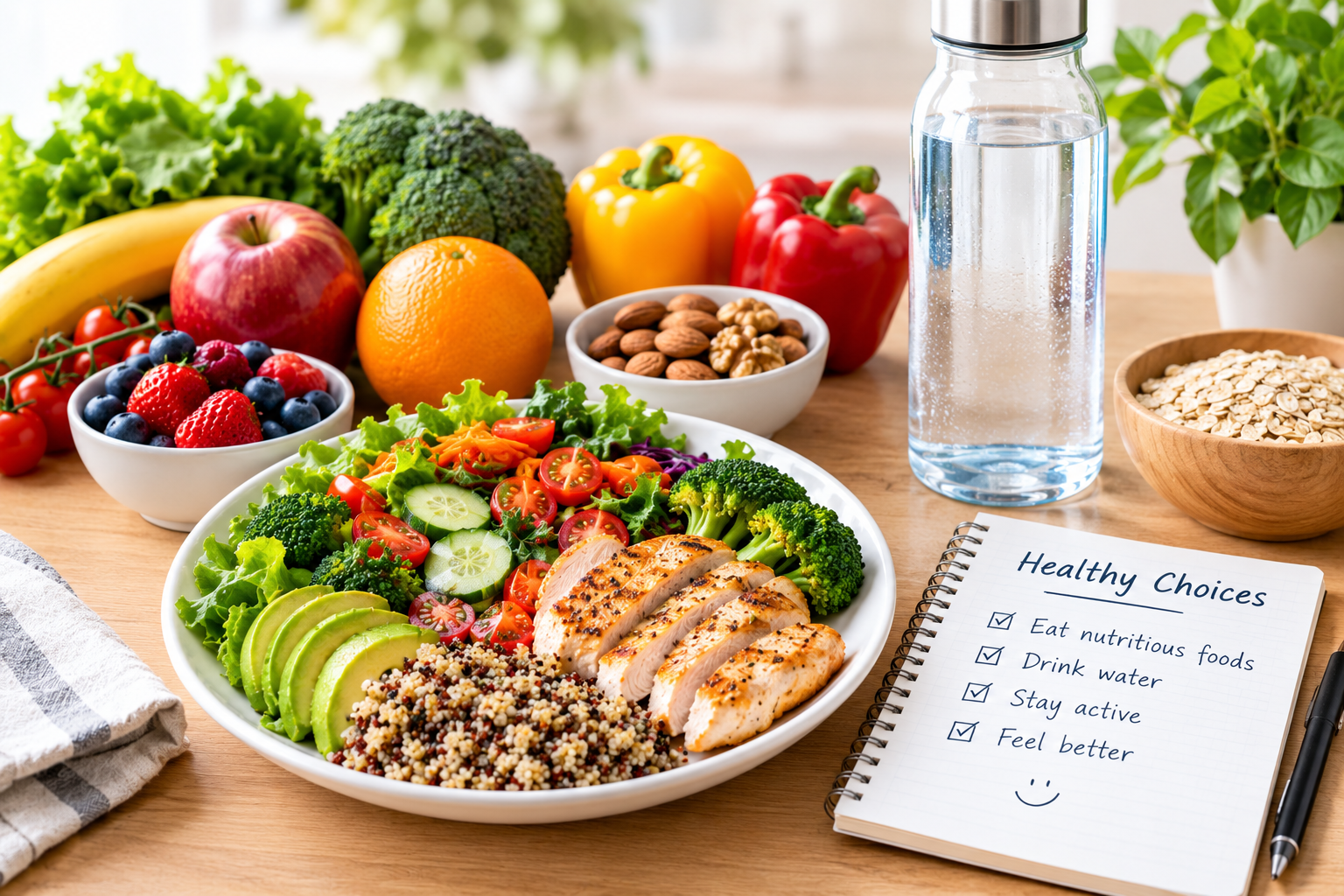
Rather than making every meal complicated, use a simple structure as a guide. Include vegetables or fruit, a source of protein, a high-fiber carbohydrate, and a modest amount of healthy fat. Your portions and needs will vary, but this approach can help meals feel satisfying and varied.
- Vegetables and fruit: choose fresh, frozen, or canned options that fit your budget and availability.
- Protein: lentils, beans, eggs, fish, chicken, tofu, yogurt, or other preferred foods.
- High-fiber carbohydrates: oats, whole-wheat roti, brown rice, whole-grain bread, potatoes, and beans.
- Healthy fats: nuts, seeds, avocado, and plant oils in suitable amounts.
You do not have to eat special or expensive foods. Everyday meals can work well when they include a variety of nutrients and portions that match your needs.
Protein and Fiber Can Help You Feel Full
Protein supports the body’s tissues and helps maintain muscle, while fiber-rich foods support digestion and can help meals feel more filling. Combining both may make it easier to feel satisfied between meals.
For example, try eggs with whole-grain toast and fruit, lentils with vegetables and roti, yogurt with oats and berries, or chicken and beans with a large salad. These are examples, not mandatory menus—adapt them to your culture, preferences, allergies, and budget.
Pay Attention to Portions Without Obsessing
Even nutritious foods contribute energy, and portion needs differ. Start by serving a meal on a plate, eating without rushing when possible, and checking whether you are comfortably satisfied before taking more. Measuring or tracking food may help some people learn about portions, but it is not necessary for everyone and should not become a source of anxiety.
Try to notice habits rather than label foods as “good” or “bad.” You can enjoy dessert or favorite family dishes while building an overall eating pattern that supports your goals.
Simple Food Swaps to Try
- Choose water more often when you would otherwise have a sugary drink.
- Add vegetables or beans to meals that usually contain mostly refined starch.
- Try whole-grain options when you enjoy them and they are available.
- Keep fruit, plain yogurt, or a small portion of nuts ready for convenient snacks.
- Prepare extra portions of a balanced meal to make the next day’s lunch easier.
These swaps are options, not strict rules. The goal is to make helpful choices easier—not to make eating stressful.
Plan a Week of Meals More Easily
Meal planning does not need to mean cooking every dish in advance. Pick two or three breakfasts, lunches, and dinners you enjoy, then keep the ingredients available when possible. Cook a pot of lentils, wash vegetables, portion snacks, or prepare a protein source ahead of a busy day.
Example of a Flexible Day
Breakfast: eggs or yogurt with whole-grain bread or oats and fruit.
Lunch: lentils, beans, chicken, or another protein with vegetables and roti or rice.
Snack, if hungry: fruit, yogurt, or another convenient option.
Dinner: a balanced meal with protein, vegetables, and a carbohydrate you enjoy.
This example is not a personalized calorie prescription. Your energy needs depend on factors such as age, body size, activity, health, and life stage. A registered dietitian can help you create an appropriate plan if you need individualized guidance.
What About Skipping Meals and Cutting Carbs?
No single eating schedule works for everyone. Some people prefer regular meals, while others have different routines. Skipping meals is not automatically better for weight management, and it can leave some people very hungry later. Carbohydrates are also not inherently unhealthy: whole grains, fruit, beans, and starchy vegetables can all fit into a balanced diet.
Avoid extreme restriction, detox claims, and plans that promise rapid results. If a diet makes you weak, dizzy, anxious about food, or unable to meet everyday needs, stop and seek qualified advice.
Frequently Asked Questions
What is the best weight loss diet?
There is no one best diet for everyone. Look for a balanced, flexible eating pattern that meets your nutritional needs and can be maintained comfortably.
Do I need to stop eating rice or roti?
Not necessarily. Rice and roti can fit into balanced meals. Consider the overall meal, portion that suits you, and include protein and vegetables when possible.
Are snacks allowed on a weight loss diet?
Yes. Snacks can be useful when you are hungry or need something convenient. Choose options you enjoy that help you feel satisfied.
Final Thoughts
A sustainable weight loss diet is not about eating as little as possible. It is about balanced meals, enough nourishment, practical planning, and a flexible approach that suits your everyday life. Start with a few realistic changes and build from there.
How to Handle Eating Out and Family Meals
A weight loss diet should be flexible enough for restaurants, celebrations, and meals with family. Look for a meal that includes foods you enjoy and, when possible, a source of protein and vegetables or fruit. You can choose the portion that feels right for you, eat slowly, and stop when comfortably satisfied. There is no need to skip meals beforehand to “save up” for dinner or to compensate afterward.
At home, make one change at a time rather than cooking separate meals for everyone. You might add a vegetable side, offer beans or lentils alongside a familiar dish, or serve fruit with breakfast. These additions can improve variety without turning food into a set of strict rules. Cultural foods and traditional recipes can absolutely be part of a balanced pattern.
Budget-Friendly Meal Planning
Nutritious eating does not have to depend on specialty products. Beans, lentils, eggs, seasonal produce, oats, plain yogurt, and frozen vegetables can be useful options depending on local prices and availability. Choose ingredients that can be used in more than one meal to reduce waste. For example, cooked lentils can be served with vegetables one day and added to soup or a wrap another day.
Before shopping, check what you already have, write a short list, and plan a few meals around those ingredients. Keep a couple of quick options for days when cooking is difficult. Frozen or canned produce can be practical; compare labels where relevant and choose lower-sodium or unsweetened versions when they suit your needs and budget.
Eating Patterns Matter More Than One Meal
It is common to eat differently on weekends, during travel, or at social events. One meal does not define your overall eating pattern. Try to return to your usual routine at the next meal rather than responding with guilt, fasting, or excessive exercise. A flexible approach can help you maintain healthy habits for longer and reduce the cycle of strict restriction followed by overeating.
Review Your Plan Every Few Weeks
Ask yourself whether your meals are satisfying, whether you have enough energy for daily activities, and whether your plan fits your schedule. If you feel constantly hungry, exhausted, or preoccupied with food, the plan may be too restrictive. Adjust it and seek qualified support when needed. A registered dietitian can help tailor food choices to your preferences, culture, budget, and health needs.
Health note: General education only, not individualized medical advice. People with medical conditions, food-related distress, pregnancy, or a history of disordered eating should seek guidance from a qualified healthcare professional or registered dietitian before making major changes.
More Related Weight Management Guides from Fitorax
Explore these related guides for practical, sustainable weight management: