Fitorax | Weight Management
The Connection Between Stress and Weight Management
Explore how stress may affect sleep, appetite, routines, and weight management, plus realistic ways to support your well-being.
Stress and weight management is a topic many people want to understand as they work toward better health. The most useful approach is one that respects individual needs, daily routines, food preferences, and overall well-being. There is no single method that works the same way for everyone.
How stress can affect daily habits
Stress and weight management are connected in complex ways. Stress may affect sleep, appetite, cravings, energy, and the time available to cook or exercise. Some people eat more under stress, while others eat less; responses differ.
Focus on supportive basics
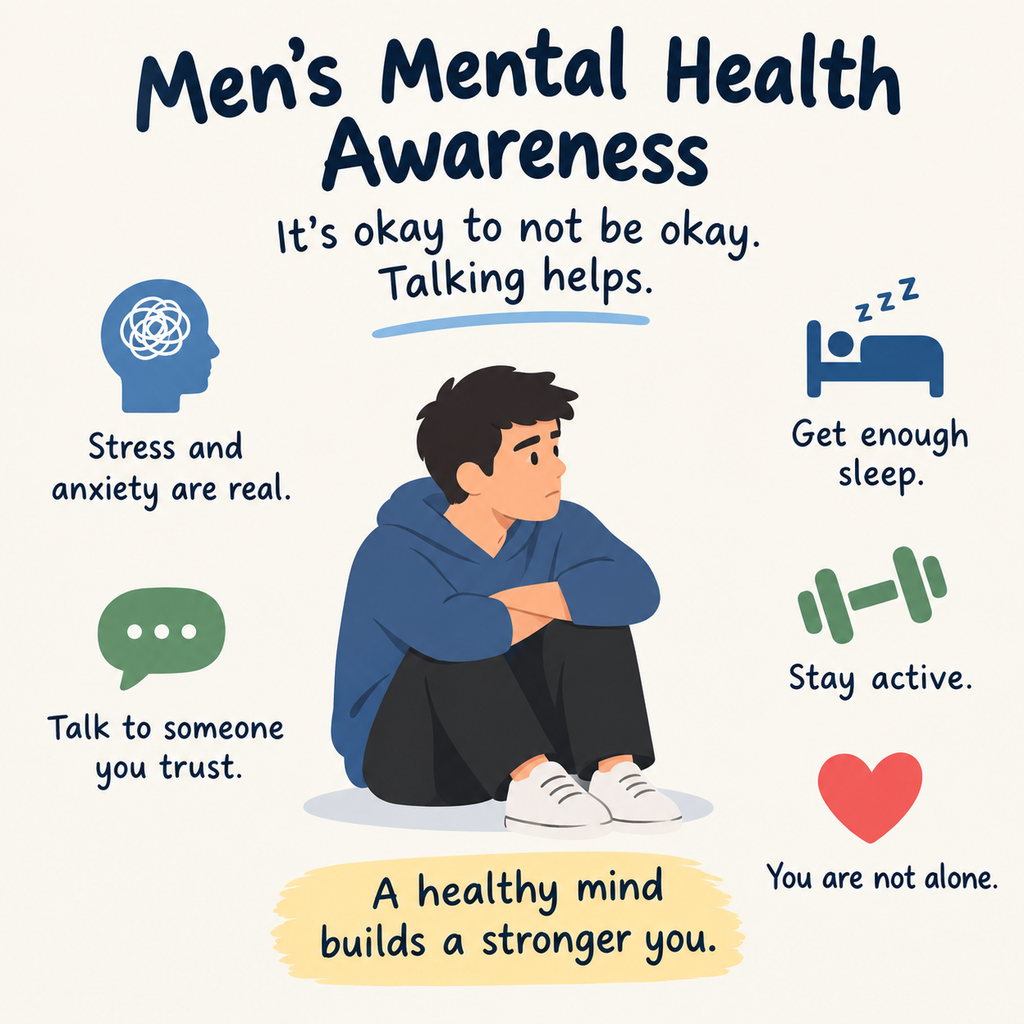
Try regular meals, brief movement breaks, a realistic bedtime, and short periods away from screens or work when possible. Even a few minutes of slow breathing or talking with someone supportive may help you reset.
Avoid adding more pressure
A strict diet or punishing workout can become another source of stress. Choose manageable actions and allow flexibility during demanding periods. Food is not a moral test, and your body does not need punishment.
When stress feels overwhelming
If stress is persistent or affects your mood, sleep, relationships, or ability to function, consider speaking with a mental health professional or clinician. Support for stress is valuable regardless of whether your weight changes.
A simple plan to put this into practice
- Choose one small, realistic action that fits your current routine.
- Give yourself time to notice patterns instead of expecting instant results.
- Adapt the plan to your health, budget, culture, preferences, and schedule.
- Focus on steady, supportive habits rather than punishment or perfection.
Frequently asked questions
What is the best approach to weight management?
The best approach is individualized, sustainable, and supportive of overall health. Balanced eating, movement suited to your ability, sleep, stress care, and medical guidance when needed can all play a role.
How quickly should I expect to see results?
There is no universal timeline. Outcomes depend on health, habits, medications, life stage, and other factors. Look for realistic changes over time and avoid plans that promise dramatic results.
Should I speak with a healthcare professional?
Yes, if you have a medical condition, take medicines that may affect weight, notice sudden unexplained changes, or feel distressed about eating or body image. A qualified professional can offer guidance suited to you.
Final thoughts
Healthy weight management is not about perfection. Small, repeatable actions and a flexible mindset can help you build routines that support your life. Choose progress that protects your physical and mental well-being.
Practical guide
Notice How Stress Changes Your Routine
Stress can affect sleep, appetite, energy, and the time or motivation available for cooking and movement. Some people eat more under stress, while others lose their appetite. Neither response means you have failed.
Use Supportive Tools Instead of Punishment
Try short breaks, talking with someone you trust, a calming activity, regular meals, or gentle movement if it feels good. Do not add a severe diet or punishing workout to an already stressful period. If stress is persistent or affects daily functioning, consider professional support.
Remember: aim for a routine that supports your health and can adapt to real life.
Use stress support alongside nutrition and movement
Stress can influence sleep, appetite, motivation, and the time available for preparing meals or exercising. When life feels demanding, lower the barrier to healthy habits: choose a simple meal, take a brief walk, stretch gently, or ask someone to share a task. A few minutes of slow breathing may help some people feel calmer, but it will not remove every source of stress. Avoid treating weight change as a personal failure when circumstances are difficult. Focus first on practical care and recovery, and seek support if stress persists or interferes with daily life. A counsellor, clinician, or dietitian can help you build a plan that considers emotional wellbeing as well as weight management.
Health disclaimer: This article is for general educational purposes and is not a substitute for personalized medical advice, diagnosis, or treatment. Speak with a qualified healthcare professional about individual health concerns.
More Related Weight Management Guides from Fitorax
Explore these related guides for practical, sustainable habits: