Fitorax | Weight Management
Emotional Eating: Causes, Signs, and Healthy Ways to Cope
Understand emotional eating and learn compassionate strategies for handling stress, boredom, sadness, and other feelings around food.
Emotional eating and weight management is a topic many people want to understand as they work toward better health. The most useful approach is one that respects individual needs, daily routines, food preferences, and overall well-being. There is no single method that works the same way for everyone.
What emotional eating can look like
Emotional eating means using food to respond to feelings such as stress, loneliness, boredom, or sadness. It is a common human experience and is not a character flaw. Hunger and emotions can also occur together.
Notice patterns without judgment
You might notice that cravings appear after a difficult workday, during late-night scrolling, or when you feel overwhelmed. A simple note about the situation, emotion, and hunger level can reveal patterns. The goal is curiosity, not self-criticism.
Build a wider coping toolkit
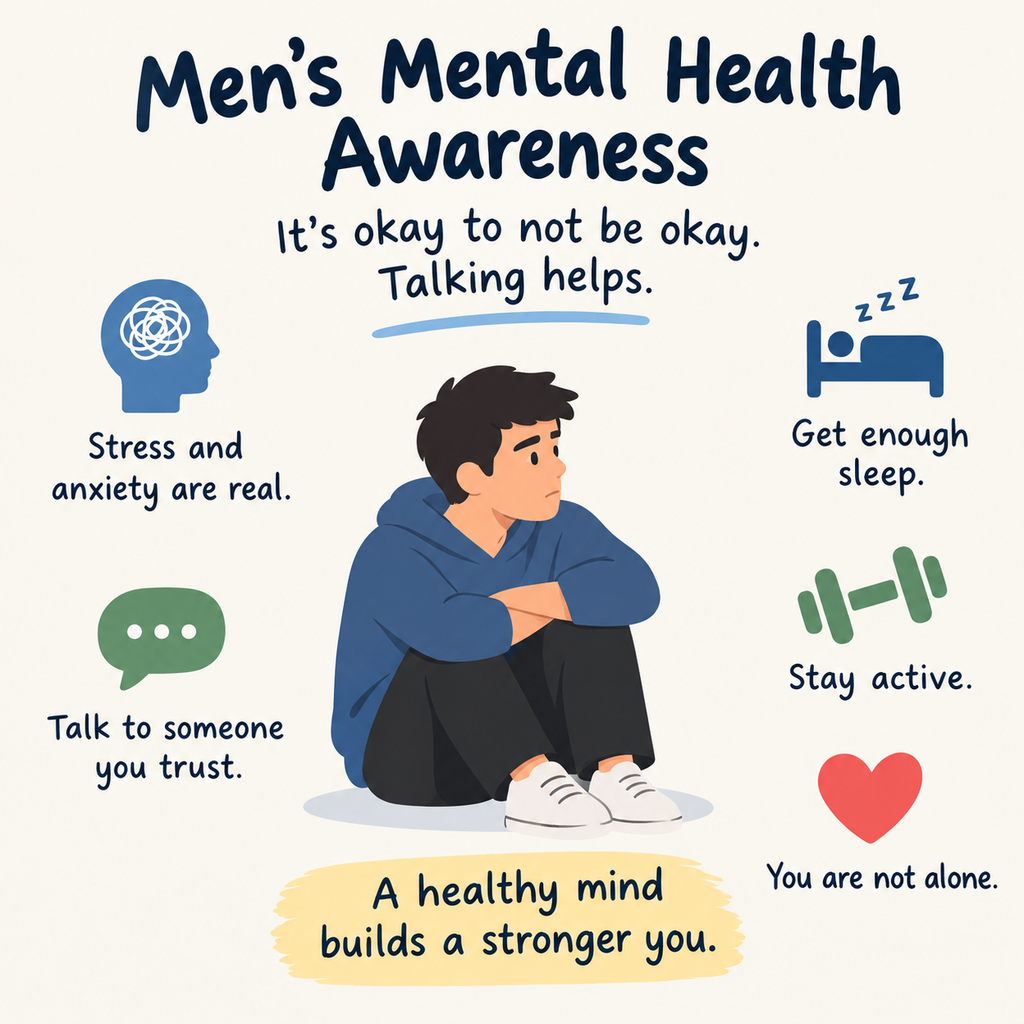
Depending on the moment, try talking with someone you trust, stepping outside, taking a few slow breaths, listening to music, or resting. These options do not mean you must refuse food; they simply give you more choices. Regular, satisfying meals may also reduce intense hunger.
When extra support may help
If eating feels out of control, causes significant distress, or is followed by purging or severe restriction, seek help from a qualified health professional with experience in eating concerns. Compassionate support can improve well-being without shame.
A simple plan to put this into practice
- Choose one small, realistic action that fits your current routine.
- Give yourself time to notice patterns instead of expecting instant results.
- Adapt the plan to your health, budget, culture, preferences, and schedule.
- Focus on steady, supportive habits rather than punishment or perfection.
Frequently asked questions
What is the best approach to weight management?
The best approach is individualized, sustainable, and supportive of overall health. Balanced eating, movement suited to your ability, sleep, stress care, and medical guidance when needed can all play a role.
How quickly should I expect to see results?
There is no universal timeline. Outcomes depend on health, habits, medications, life stage, and other factors. Look for realistic changes over time and avoid plans that promise dramatic results.
Should I speak with a healthcare professional?
Yes, if you have a medical condition, take medicines that may affect weight, notice sudden unexplained changes, or feel distressed about eating or body image. A qualified professional can offer guidance suited to you.
Final thoughts
Healthy weight management is not about perfection. Small, repeatable actions and a flexible mindset can help you build routines that support your life. Choose progress that protects your physical and mental well-being.
Practical guide
Tell Emotional Hunger From Physical Hunger With Curiosity
Physical hunger may build gradually, while an emotion-linked urge can appear after a stressful conversation or a difficult day. But there is no perfect test, and both can happen together. You do not need to prove that you are hungry enough to deserve food.
Create a Kind Pause, Not a Rule
If you notice a pattern, try naming the feeling and asking what might help. You could eat a satisfying snack, rest, contact a friend, or take a short break. These choices can coexist. If eating feels frightening or out of control, seek compassionate professional support rather than blaming yourself.
Remember: aim for a routine that supports your health and can adapt to real life.
Create a pause without judging yourself
If you notice an urge to eat during a stressful moment, take a gentle pause and ask what you need. You may be physically hungry, tired, lonely, overwhelmed, or simply ready for a snack. Food can provide comfort, and eating for emotional reasons does not mean you lack willpower. If you are hungry, choose food that satisfies you; if another need is present, you might also try talking with someone, resting, journaling, or stepping outside. These strategies are options, not tests you must pass before eating. Repeated episodes of feeling out of control, intense guilt, or distress around food deserve compassionate support from a qualified healthcare professional.
Health disclaimer: This article is for general educational purposes and is not a substitute for personalized medical advice, diagnosis, or treatment. Speak with a qualified healthcare professional about individual health concerns.
More Related Weight Management Guides from Fitorax
Explore these related guides for practical, sustainable habits: