Fitorax • Nutrition Guide
Micronutrients: Small Nutrients, Big Benefits
A simple guide to vitamins, minerals, food sources, and everyday ways to support your health.
Have you ever wondered why a healthy diet is about more than simply eating enough food? Your body also needs the right mix of nutrients to keep its everyday systems working well. That is where micronutrients come in.
Micronutrients are vitamins and minerals that your body needs in relatively small amounts. Even though you only need a little, they help support normal immunity, healthy bones, tissue repair, vision, and many other important functions.
Quick takeaway
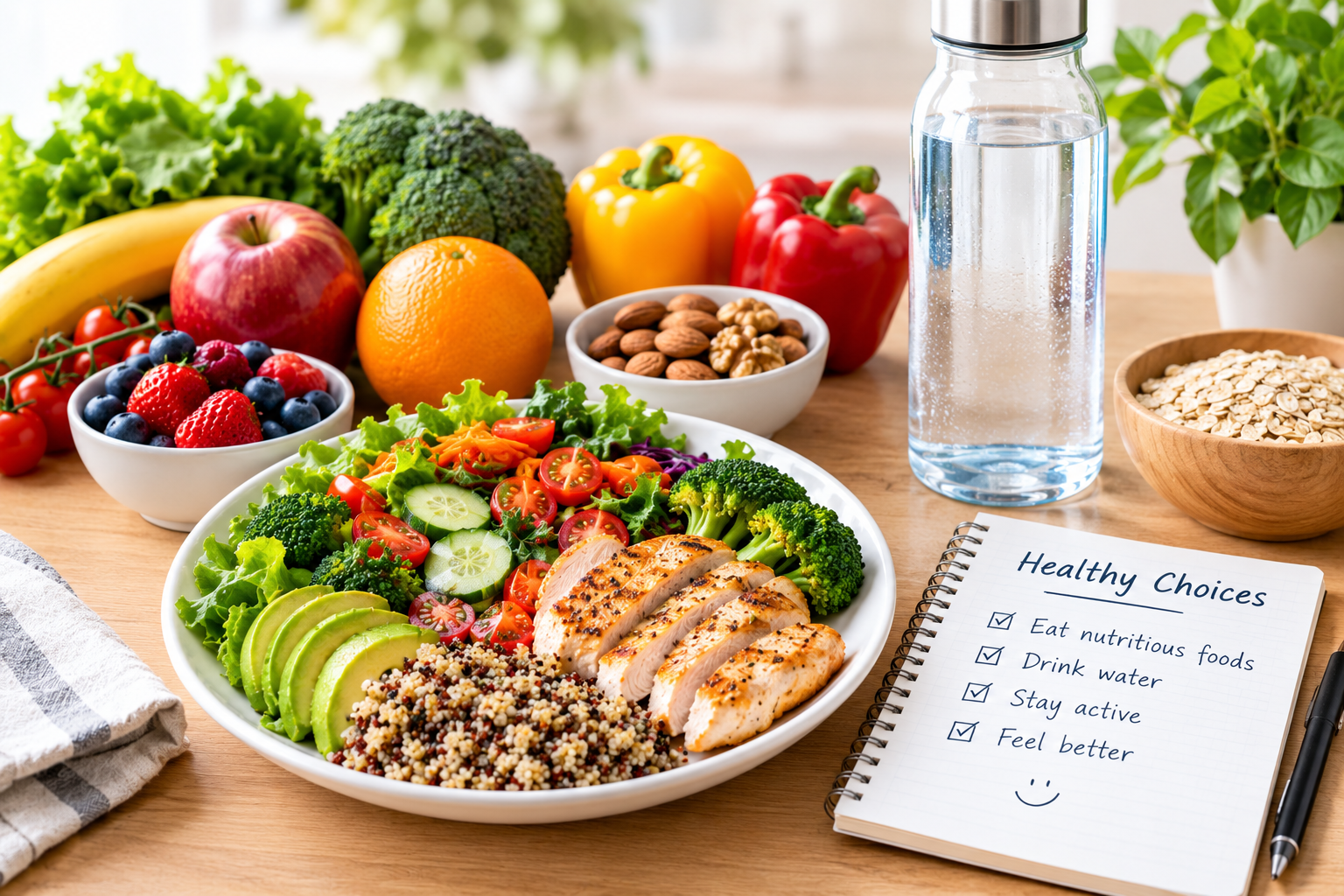
A varied diet that includes vegetables, fruit, whole grains, beans, nuts, seeds, and suitable protein foods can help provide many essential vitamins and minerals.
What Are Micronutrients?
Micronutrients are essential nutrients needed in small quantities. Unlike carbohydrates, protein, and fat, they do not provide energy directly. Instead, they help the body use energy, maintain tissues, and carry out processes that keep you functioning properly.
Vitamins
Help regulate processes such as vision, immune function, tissue repair, and energy metabolism.
Minerals
Support bones, muscles, nerves, fluid balance, and the production of healthy blood cells.
The Main Vitamins and Their Food Sources
Each vitamin has its own job. Eating a variety of foods is usually more useful than depending on just one ingredient.
| Vitamin | Why it matters | Food sources |
|---|---|---|
| Vitamin A | Vision, skin, and immune function | Carrots, sweet potatoes, spinach, eggs |
| B vitamins | Energy metabolism and nervous system function | Whole grains, eggs, beans, dairy, meat |
| Vitamin C | Collagen formation, wound healing, iron absorption | Guava, oranges, tomatoes, peppers |
| Vitamin D | Calcium absorption and bone health | Oily fish, egg yolks, fortified foods |
| Vitamin E | Helps protect cells from oxidative damage | Nuts, seeds, vegetable oils |
| Vitamin K | Normal blood clotting and bone health | Spinach, cabbage, other leafy greens |
Important Minerals Your Body Needs
- Calcium: Helps maintain strong bones and teeth and supports muscle function. Sources include milk, yogurt, cheese, and fortified alternatives.
- Iron: Helps make hemoglobin, which carries oxygen in the blood. Find it in lentils, beans, meat, and iron-fortified foods.
- Zinc: Supports normal immune function and wound healing. Sources include meat, seafood, dairy, beans, seeds, and nuts.
- Potassium: Helps maintain fluid balance and normal muscle and nerve function. Sources include potatoes, bananas, beans, and yogurt.
- Magnesium: Supports muscle and nerve function and many processes involved in energy production. Sources include whole grains, nuts, seeds, and leafy greens.
Why Micronutrients Matter for Everyday Health
Immune support: Vitamins A, C, and D and minerals such as zinc contribute to normal immune function. A nutritious diet supports the body, but no single nutrient guarantees protection from infection.
Energy and wellbeing: Iron and several B vitamins help the body use energy or produce healthy red blood cells. Persistent tiredness can have many causes, so it should not automatically be blamed on a nutrient deficiency.
Bone strength: Calcium and vitamin D are especially important for bone health, alongside other nutrients and regular physical activity.
Growth and repair: Vitamins and minerals help support processes involved in maintaining skin, repairing tissues, and normal development.
Possible Signs of a Nutrient Deficiency
Depending on the nutrient involved, a deficiency may cause tiredness, weakness, pale skin, mouth sores, slow wound healing, vision changes, or bone discomfort. These symptoms can also have other causes. If they persist, speak with a healthcare professional; testing may be needed to identify the cause.
Easy Ways to Get More Micronutrients
- Add fruit or vegetables to more meals and snacks.
- Choose whole grains and include beans or lentils regularly.
- Vary your protein foods, including eggs, fish, dairy, beans, or nuts as suitable.
- Pair plant sources of iron, such as lentils, with vitamin C-rich foods such as tomatoes or citrus fruit.
- Be cautious with high-dose supplements. More is not always better, and some nutrients can be harmful in excessive amounts.
Frequently Asked Questions
What are the two main types of micronutrients?
The two main types are vitamins and minerals. Both are needed in small amounts for normal body functions.
Can I get enough micronutrients from food?
Many people can meet their needs through a varied diet. Some people may need supplements because of a confirmed deficiency, dietary restrictions, pregnancy, or particular medical circumstances.
Should everyone take a multivitamin?
No. Multivitamins are not necessary for everyone and cannot replace a balanced diet. Ask a qualified healthcare professional if you are unsure what you need.
The Bottom Line
Micronutrients may be needed in small amounts, but they play important roles in immunity, bone health, energy metabolism, and tissue repair. Start with a variety of everyday foods and build habits you can maintain. If you suspect a deficiency, seek professional advice rather than guessing or taking high-dose supplements.
Health disclaimer: This article is for general educational purposes and is not a substitute for individual medical advice.
More Related Nutrition Guides from Fitorax
Explore these related nutrition guides to learn more about balanced eating: