Mental Wellness Guide
How to Improve Mental Wellness Naturally: 10 Daily Habits
Simple, realistic ways to support your mood, manage everyday stress, and build a healthier relationship with yourself.
Mental wellness is an important part of living a healthy and balanced life. It influences how we handle everyday challenges, connect with other people, make decisions, and recover from stressful experiences. Yet, when life becomes busy, looking after our emotional well-being can easily move to the bottom of the list.
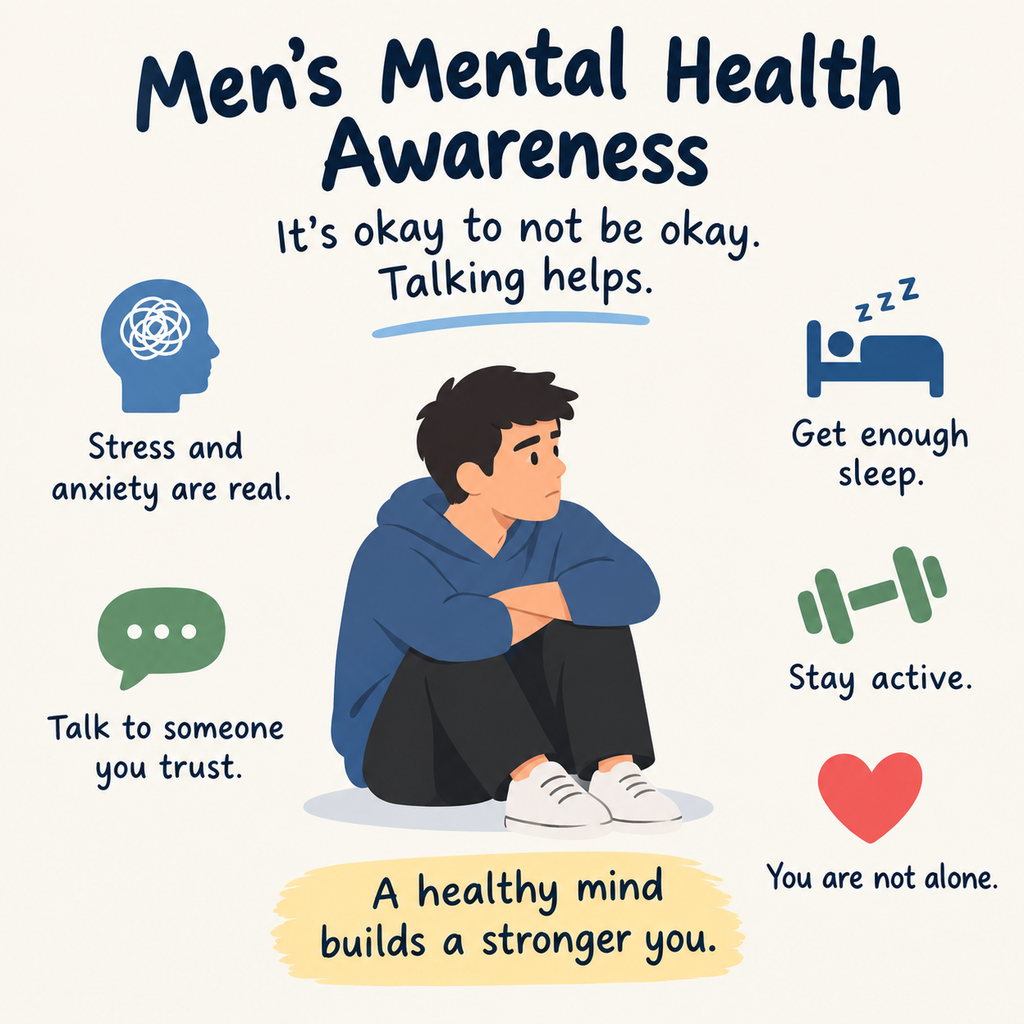
The good news is that caring for your mental well-being does not always require a major lifestyle change. Small daily habits—such as getting enough sleep, moving your body, spending time with people you trust, and taking short breaks—can help create a more supportive routine.
If you are wondering how to improve mental wellness naturally, start by focusing on practical steps that fit your life. There is no single routine that works for everyone, and natural habits are not a replacement for professional care when it is needed. However, consistent, manageable changes can support your overall well-being.
What Is Mental Wellness?
Mental wellness refers to the everyday practices and conditions that help support emotional, psychological, and social well-being. It does not mean feeling happy all the time or never experiencing stress. Difficult emotions are a normal part of life.
Good mental wellness means learning to recognize your feelings, respond to challenges in helpful ways, maintain supportive relationships, and seek help when you need it. Your mental health can change over time and may be influenced by sleep, physical health, life events, work, relationships, and other circumstances.
1. Create a Consistent Sleep Routine
Sleep and mental well-being are closely connected. When you do not get enough quality sleep, you may find it harder to concentrate, manage emotions, or deal with ordinary frustrations. Stress can also make it difficult to fall asleep, creating a cycle that is hard to break.
Try to go to bed and wake up at roughly the same time each day. Create a comfortable, quiet sleeping environment and give yourself time to wind down before bed. A calming activity, such as reading, gentle stretching, or listening to quiet music, may help you transition away from the day’s demands.
If possible, reduce work and screen-related distractions close to bedtime. Rather than aiming for a perfect routine overnight, make one small change and see whether it helps.
2. Move Your Body Every Day
Physical activity is not only about fitness or weight management. Movement can also support mood, energy, and general health. You do not need an expensive gym membership or a demanding workout plan to get started.
Choose an activity you enjoy, such as walking, cycling, dancing, gardening, stretching, or following a simple home workout. Even a short walk around your neighborhood or a few movement breaks during the day can be a useful starting point.
Try to make exercise enjoyable rather than another task to feel guilty about. Start at a level that suits your current ability and increase activity gradually. If you have health concerns or physical limitations, ask a healthcare professional what kind of movement is appropriate for you.
3. Eat Regular, Balanced Meals
Food is not a cure for mental health difficulties, but a balanced eating pattern supports physical health and provides energy for daily activities. Skipping meals or relying only on highly convenient foods may leave some people feeling tired or less focused.
Whenever possible, include a variety of vegetables and fruit, whole grains, protein sources, and healthy fats in your meals. Drink water regularly and notice how your eating routine affects your energy throughout the day.
You do not need to follow a strict diet or label foods as completely good or bad. Aim for a flexible, balanced approach that works with your preferences, budget, culture, and schedule.
4. Make Time for Mindfulness
When your mind is full of unfinished tasks and worries, it can be difficult to focus on the present. Mindfulness is the practice of paying attention to what is happening right now with curiosity rather than immediately judging it.
You can begin with just a few minutes. Sit comfortably, notice your breathing, and gently bring your attention back whenever your mind wanders. You could also practice mindfulness while eating, walking, or doing a routine household task.
The aim is not to stop every thought or force yourself to feel calm. It is to notice your thoughts and feelings without automatically reacting to each one. If a meditation practice makes you feel uncomfortable, choose another grounding activity that feels more suitable.
5. Stay Connected With Supportive People
Human connection can make difficult days feel less lonely. A conversation with a trusted friend, family member, colleague, or community member can offer comfort, perspective, and a sense of belonging.
You do not need a large social circle. A meaningful conversation or a regular check-in with one supportive person can be valuable. If meeting in person is difficult, consider a phone call or message to someone you trust.
Healthy relationships involve respect, listening, and room for honest feelings. If a relationship consistently leaves you feeling unsafe or distressed, it may help to set boundaries and seek advice from someone you trust.
6. Take Breaks From Digital Overload
Phones and digital devices help us work, learn, and stay connected, but constant notifications and scrolling can leave little time for rest. Comparing your life with carefully selected moments from other people’s lives may also affect your confidence or mood.
Notice how different apps make you feel. You might turn off non-essential notifications, avoid checking your phone during meals, or set aside a screen-free period before bed. Replace some scrolling time with an activity that helps you recharge, such as walking, reading, or talking with a friend.
A digital detox does not have to mean abandoning technology. The goal is to use it more intentionally and protect time for sleep, relationships, and activities that matter to you.
7. Manage Stress in Small, Practical Steps
Stress is a normal response to demands and uncertainty, but ongoing pressure can affect sleep, mood, concentration, and physical comfort. Instead of trying to solve everything at once, identify one source of pressure that you can address today.
Write down your tasks, choose a realistic priority, and break larger responsibilities into smaller steps. Take short breaks and practice slow, comfortable breathing when you need a moment to reset.
It is also important to recognize what is outside your control. You may not be able to change every work demand or family responsibility, but you can sometimes ask for support, clarify expectations, or make room for rest. If stress is persistent or overwhelming, professional guidance can help.
8. Spend Time Outdoors
Spending time in a natural setting can provide a welcome break from busy routines. A walk in a park, sitting in a garden, caring for plants, or simply getting some daylight can help you change your surroundings and make space to breathe.
You do not need to travel to a remote location or spend hours outside. Choose an accessible place where you feel comfortable and safe. If going outdoors is not practical, opening a window, caring for a houseplant, or looking at greenery may be a small alternative.
Use this time to slow down rather than turn it into another productivity goal. A few quiet minutes can be a helpful addition to your daily self-care routine.
9. Practice Self-Compassion and Realistic Expectations
Many people speak to themselves more harshly than they would speak to a friend. They may criticize themselves for making mistakes, needing rest, or not completing everything on their list. Over time, this kind of self-talk can add unnecessary pressure.
Self-compassion means acknowledging that you are human and that everyone faces difficulties. It does not mean ignoring responsibilities. It means responding to mistakes with honesty and kindness so you can learn and move forward.
Try replacing “I always get everything wrong” with “This did not go as planned, but I can learn from it.” Set goals that reflect your actual time and energy, and remember that progress does not need to be perfect to count.
10. Make Time for Activities You Enjoy
When responsibilities take over, enjoyable activities are often the first things we stop doing. Yet hobbies and moments of pleasure can give your day variety and help you reconnect with your interests.
Make room for activities that feel meaningful to you, whether that means cooking, reading, listening to music, drawing, gardening, playing a sport, or learning something new. You might schedule a short period for a hobby or share an activity with someone you care about.
Rest does not have to be earned by finishing every task. It is a normal part of a sustainable routine. Start with something small that you genuinely look forward to, rather than choosing an activity because you think you should enjoy it.
A Simple Daily Mental Wellness Checklist
- Keep a reasonably consistent sleep schedule.
- Move your body in a way that feels manageable.
- Eat regular, balanced meals and drink water.
- Take a few quiet moments away from distractions.
- Connect with someone supportive.
- Take a break from unnecessary screen time.
- Make time for one activity you enjoy.
Remember: You do not have to complete every item every day. Choose one or two habits to begin with and build gradually.
When Should You Seek Professional Support?
Healthy habits can support mental wellness, but they cannot replace treatment when someone is experiencing a mental health condition. Consider talking with a qualified doctor, psychologist, or mental health professional if sadness, anxiety, loss of interest, sleep problems, or other difficulties persist, worsen, or interfere with everyday life.
Getting support is a practical step, not a personal failure. A professional can help you understand what may be happening and discuss options suited to your needs.
Frequently Asked Questions
How can I improve mental wellness naturally?
Start with consistent sleep, regular physical activity, balanced meals, supportive relationships, mindfulness, and realistic daily goals. Choose habits you can maintain instead of changing everything at once.
What are the best daily habits for mental health?
Helpful habits may include getting enough sleep, moving regularly, taking breaks, staying connected with others, limiting digital distractions, and making time for enjoyable activities. The most useful routine is one that fits your circumstances.
Can exercise help mental wellness?
Regular physical activity can support mood and overall health. Walking, stretching, cycling, dancing, and other activities can be options. Start at a comfortable level and choose movement you enjoy.
How long does it take to improve mental well-being?
There is no fixed timeline. Some habits may help you feel more supported in the short term, while lasting changes often take time and consistency. If you continue to struggle, consider professional advice rather than relying on lifestyle changes alone.
Are natural mental wellness habits a replacement for therapy?
No. Healthy routines can complement professional care, but they are not a substitute for assessment or treatment when needed. A qualified healthcare professional can help you decide what support is appropriate.
Conclusion
Learning how to improve mental wellness naturally starts with small, realistic choices. Better sleep, daily movement, balanced meals, mindfulness, supportive relationships, time outdoors, and healthy boundaries can all contribute to a more balanced lifestyle.
You do not need to follow a perfect routine or compare your progress with anyone else. Choose one habit that feels achievable, practice it regularly, and adjust as your needs change. If you are struggling or your symptoms are affecting daily life, reaching out for professional support is an important part of caring for yourself.
Your mental wellness matters. Give yourself the same patience and care that you would offer someone you love.
Health note: This article is for general educational purposes and is not a substitute for personalized medical or mental health advice.
More Related Mental Wellness Guides from Fitorax
Explore these related guides for everyday emotional well-being: