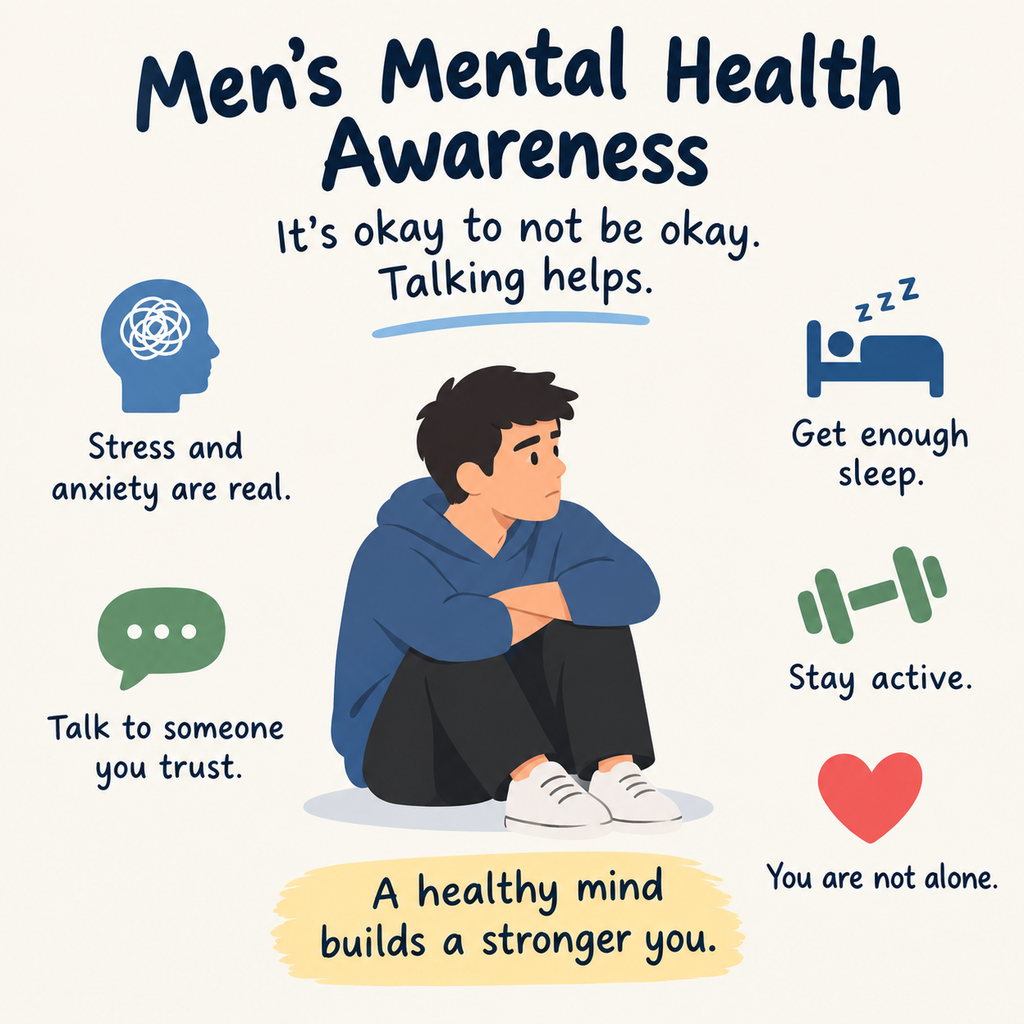
Mental Wellness Guide
How to Manage Anxiety in Everyday Life: 10 Practical Tips
Practical, everyday ways to cope with worry, support emotional well-being, and build healthier routines.
Anxiety is a normal part of being human. You might feel nervous before an important meeting, worry about your family’s future, or feel uneasy when facing an unfamiliar situation. These feelings are common, and in some situations, anxiety can even help you prepare for challenges.
However, when worry becomes frequent, overwhelming, or difficult to control, it can affect your sleep, relationships, concentration, and overall quality of life. Even simple daily tasks may begin to feel stressful.
The good news is that there are practical ways to manage anxiety in everyday life. Small changes in your routine, healthier thinking patterns, relaxation techniques, and support from others can help you respond to anxious feelings more effectively.
This guide explains what anxiety can feel like, what may trigger it, and ten realistic strategies you can try to support your mental wellness.
What Is Anxiety?
Anxiety is a feeling of worry, fear, nervousness, or uneasiness about a situation or something that might happen. It can affect both the mind and the body.
When you feel anxious, you might notice a racing heart, tense muscles, sweating, restlessness, difficulty concentrating, or a sense that something bad is about to happen. Some people experience stomach discomfort or difficulty sleeping.
Occasional anxiety is a normal response to uncertainty and pressure. However, anxiety that is persistent, intense, or disruptive may need additional support from a qualified healthcare professional. Understanding your own symptoms is an important first step toward finding appropriate ways to manage them.
Common Causes of Everyday Anxiety
Anxiety does not have the same cause for everyone. It may develop from a combination of personal experiences, circumstances, physical factors, and patterns of thinking.
- Work pressure, deadlines, and financial worries.
- Family responsibilities and relationship difficulties.
- Health concerns or uncertainty about the future.
- Major life changes, such as moving, studying, or starting a new job.
- Lack of sleep and ongoing stress.
- Spending too much time comparing yourself with others online.
- Fear of making mistakes or disappointing people.
Sometimes, anxiety appears without an obvious trigger. Instead of blaming yourself for feeling anxious, try noticing when the feeling occurs and what was happening beforehand. This can help you identify patterns and decide which coping strategies might be useful.
10 Practical Ways to Manage Anxiety in Everyday Life
1. Practice Slow, Comfortable Breathing
When anxiety rises, your breathing may become faster or shallower. Slowing your breathing gently can help you pause and focus on the present moment.
Find a comfortable position, relax your shoulders, and breathe in gently through your nose. Then breathe out slowly without forcing your breath. Repeat for a minute or two, or for as long as it feels comfortable.
You do not need to take unusually deep breaths. If you feel dizzy or uncomfortable, return to your normal breathing. Practicing this technique during calm moments may make it easier to remember when stress appears. Breathing exercises are a coping tool, not a replacement for professional care when anxiety is persistent or severe.
2. Focus on One Thing at a Time
Trying to handle every responsibility at once can make life feel unmanageable. Anxiety often grows when your mind jumps from one concern to another without a clear plan.
Instead, choose one task that deserves your attention right now. Write down the other things you need to do, then decide which task is most important or urgent.
For example, if you are worried about work, household chores, and an upcoming appointment, you do not have to solve all three problems immediately. Start with the next practical step, such as sending an email or preparing what you need for the appointment. Breaking large tasks into smaller actions can make them feel less intimidating and help you regain a sense of direction.
3. Reduce Caffeine if It Makes You Feel Anxious
Caffeine affects people differently. For some, coffee, strong tea, energy drinks, or other caffeinated products can increase shakiness, a racing heartbeat, restlessness, or difficulty sleeping.
If you notice that anxiety becomes worse after consuming caffeine, try reducing your intake gradually and paying attention to how you feel. You may also want to avoid caffeine later in the day if it affects your sleep.
You do not necessarily need to stop drinking coffee or tea completely. The goal is to understand your own response and choose habits that support your well-being. If physical symptoms are new, severe, or concerning, do not automatically assume caffeine or anxiety is the cause; seek appropriate medical advice.
4. Maintain a Consistent Sleep Routine
Sleep and anxiety can influence one another. Worry may make it difficult to fall asleep, while insufficient sleep can make everyday stress feel harder to handle.
Try to go to bed and wake up at roughly the same time each day. Give yourself a relaxing period before bedtime by dimming bright lights, reducing stimulating screen use, reading, or listening to something calming.
If your thoughts become busy when you lie down, write your concerns and tomorrow’s tasks in a notebook. This can help you organize your thoughts instead of trying to remember everything. A regular sleep routine will not eliminate anxiety by itself, but good sleep habits can support emotional regulation and overall mental wellness.
5. Challenge Anxious Thoughts Gently
Anxiety can make uncertain situations feel dangerous. You might think, “If I make one mistake, everything will go wrong,” or “Everyone will judge me if I speak.”
When this happens, pause and ask yourself a few questions:
- What facts support this thought?
- Am I assuming the worst possible outcome?
- Is there another reasonable explanation?
- What would I tell a friend facing the same situation?
- What is one useful action I can take?
Imagine you are nervous about a presentation. Instead of assuming that you will fail, remind yourself that you can prepare, practice, and handle the situation one step at a time. You do not need to replace every negative thought with a positive one. Try to develop a more balanced and realistic view of the situation.
6. Make Time for Physical Activity
Regular physical activity can support mental well-being, improve sleep, and provide a healthy break from daily worries. You do not need an intense workout to begin.
A short walk, gentle stretching, dancing at home, cycling, or another activity you enjoy can be a good starting point. Choose something that fits your current fitness level and daily schedule.
For example, you might take a ten-minute walk after lunch or stretch between study sessions. Gradually build a routine that feels sustainable rather than treating exercise as another task you must complete perfectly. Movement is one part of a broader approach to anxiety management. If you have a medical condition or concerns about exercising, ask a healthcare professional about suitable options.
7. Limit Overthinking and Excessive Online Checking
Repeatedly searching for reassurance, checking notifications, or reading alarming information online can sometimes keep anxiety going. You may feel temporarily relieved after checking, only to become worried again a short time later.
Notice which habits leave you feeling more unsettled. Consider setting specific times to check messages, taking breaks from distressing content, and avoiding repeated online searches when they increase your worry.
When you catch yourself replaying the same thought, ask whether further thinking is helping you solve a real problem. If it is not, gently return your attention to an activity in front of you. You do not have to force your thoughts to disappear. The aim is to spend less time feeding repetitive worry and more time engaging with your everyday life.
8. Eat Regularly and Stay Hydrated
Hunger, dehydration, and irregular eating patterns can leave some people feeling tired, uncomfortable, or physically unsettled. These sensations may be mistaken for, or add to, feelings of anxiety.
Try to eat regular, balanced meals that include a variety of foods, such as vegetables, fruits, whole grains, protein sources, and healthy fats. Keep water available throughout the day and drink according to your needs.
There is no single food that cures anxiety, and nutrition should not be viewed as a substitute for mental health treatment. However, caring for your physical health can support your overall well-being. If you notice that certain eating patterns or substances affect how you feel, consider discussing those concerns with a qualified healthcare professional.
9. Talk to Someone You Trust
You do not have to manage every anxious feeling alone. Talking with a trusted friend, family member, or supportive person can help you express what is troubling you and feel less isolated.
You might begin with a simple statement such as, “I’ve been feeling worried lately, and I could use someone to talk to.” You do not need to have all the answers before starting the conversation. Sometimes, being listened to without judgment can help you organize your thoughts and see a situation from another perspective.
If someone is unable to provide the support you need, consider reaching out to another trusted person or a qualified professional. Asking for help is a sensible step toward caring for your mental health.
10. Seek Professional Support When You Need It
Self-care strategies can be helpful, but they are not always enough. If anxiety continues for weeks, becomes difficult to control, affects your sleep, interferes with work or study, or causes you to avoid important activities, consider speaking with a qualified healthcare or mental health professional.
A professional can help you understand your symptoms and discuss appropriate options. Treatments such as cognitive behavioural therapy (CBT) can help people identify unhelpful thought patterns and develop more effective ways of responding to anxiety. Depending on your circumstances, other forms of treatment may also be appropriate.
You do not need to wait until anxiety feels unbearable before asking for help. Early support can make it easier to understand what is happening and find a suitable way forward.
A Simple Daily Routine for Anxiety Management
In the morning: Take a few quiet moments, eat breakfast if appropriate for your routine, and identify your main priorities for the day.
During the day: Focus on one task at a time, take short movement breaks, drink water, and notice when anxious thoughts begin to repeat.
In the evening: Make time for a relaxing activity, connect with someone supportive, and reduce activities that leave you feeling overstimulated.
Before bed: Write down unfinished tasks, prepare for the following day, and follow a consistent wind-down routine.
Treat this routine as a flexible guide, not a strict set of rules. Choose the habits that suit your circumstances and build on them gradually.
Frequently Asked Questions
How can I manage anxiety naturally?
Helpful everyday strategies may include slow breathing, regular physical activity, a consistent sleep schedule, balanced meals, limiting caffeine if it affects you, and talking to someone you trust. These approaches can support well-being but may not be enough for everyone.
What helps calm anxiety quickly?
Try pausing in a safe place, breathing comfortably and slowly, noticing your surroundings, and focusing on one manageable next step. If symptoms are severe, unusual, or medically concerning, seek appropriate help rather than assuming they are caused by anxiety.
Can exercise help reduce anxiety?
Regular physical activity may help support mood, sleep, and stress management. Start with an activity suited to your fitness level and choose something you can maintain comfortably.
Why do I feel anxious without a clear reason?
Anxiety can be influenced by stress, sleep difficulties, personal experiences, physical health, and other factors. Sometimes a clear trigger is not immediately obvious. If the feeling continues or affects daily life, a healthcare professional can help you explore possible causes.
When should I seek professional help for anxiety?
Consider professional support when anxiety is persistent, difficult to manage, affects sleep or relationships, interferes with responsibilities, or leads you to avoid everyday situations. Seek urgent medical help for severe or alarming symptoms.
Can anxiety go away completely?
People experience anxiety differently. Some have occasional anxious feelings, while others need ongoing strategies or treatment. Many people learn to manage their symptoms more effectively with suitable support, but there is no single outcome or approach that works for everyone.
Conclusion
Learning how to manage anxiety in everyday life begins with understanding your feelings and finding practical ways to respond to them. Slow breathing, healthier sleep habits, physical activity, balanced thinking, and supportive relationships can all play a role in caring for your mental wellness.
You do not need to change everything overnight. Start with one or two habits that feel realistic, notice what helps, and give yourself time to build a routine that works for you.
Most importantly, remember that anxiety is not a personal failure. If worry becomes overwhelming or starts affecting your daily life, reaching out for professional support is a positive step.
Your mental well-being matters, and small steps toward better care are worth taking.
Health disclaimer: This article is for general educational purposes only and does not replace personalized medical advice, diagnosis, or treatment. Consult a qualified healthcare professional about persistent or concerning symptoms.
More Related Mental Wellness Guides from Fitorax
Explore these related guides for everyday emotional well-being: