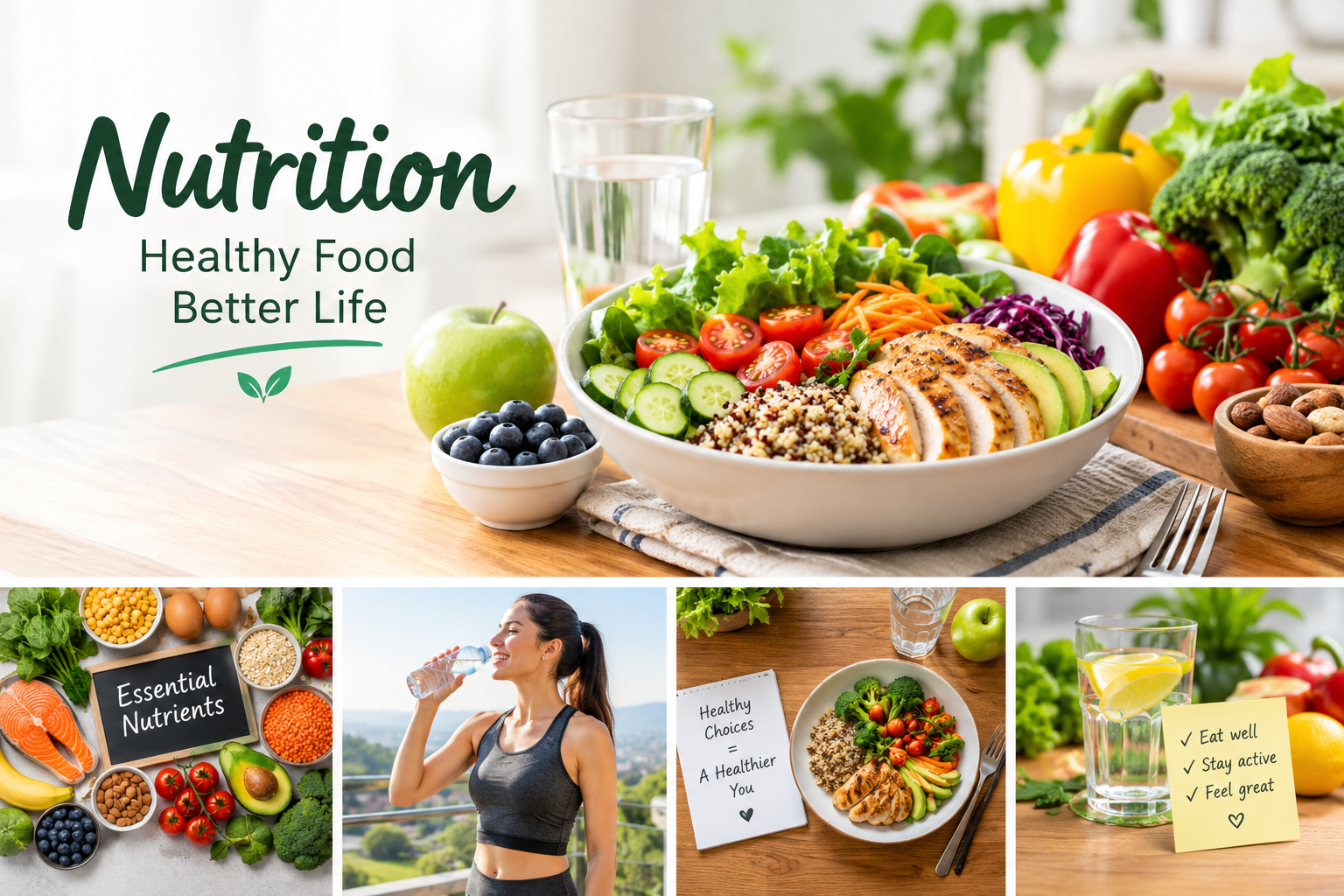
Fitorax • Nutrition Guide
The Importance of Fiber in the Diet
Everyday food choices for better digestion, a satisfied appetite, and long-term wellbeing.
Have you ever felt hungry soon after a meal, struggled with constipation, or wondered how to make your usual meals healthier? One simple place to start is by adding more fiber-rich foods to your diet.
The importance of fiber in the diet goes beyond keeping digestion regular. Fiber supports bowel health, helps you feel satisfied after meals, and can contribute to healthy cholesterol and blood sugar levels. It is naturally found in foods such as fruits, vegetables, beans, lentils, nuts, seeds, and whole grains.
Quick takeaway
A practical way to increase fiber is to eat a variety of plant foods every day, make gradual changes, and drink enough fluids unless you have been advised to limit them.
What Is Dietary Fiber?
Dietary fiber is a type of carbohydrate found in plant foods that the body cannot fully digest. Instead of being broken down and absorbed like many other carbohydrates, fiber moves through the digestive system and supports several important functions.
Fiber is often grouped into two main types. Most plant foods contain a mix of both, so variety is useful.
Soluble fiber
Soluble fiber dissolves in water and forms a gel-like substance. Some types can help support healthy cholesterol levels and moderate rises in blood glucose after meals.
Sources: Oats, barley, beans, lentils, apples, citrus fruits, and chia seeds.
Insoluble fiber
Insoluble fiber helps add bulk to stool and supports regular bowel movements.
Sources: Whole-wheat foods, wheat bran, nuts, seeds, vegetable skins, and many vegetables.
Why Is Fiber Important for Your Health?
1. Supports healthy digestion
One of the best-known benefits of fiber is its role in digestive health. Insoluble fiber adds bulk to stool, while some soluble fibers help retain water and support stool consistency. Getting enough fiber can help prevent or relieve constipation for many people, especially when combined with adequate fluids and regular movement.
2. Helps you feel full for longer
Foods such as oats, beans, vegetables, and whole fruits can make meals more satisfying. Fiber, water, and the structure of whole foods may help you feel full for longer and support a balanced eating pattern. Fiber is not a magic weight-loss solution, but it can be one helpful part of sustainable weight management.
3. Supports heart health
Some soluble fibers can help lower LDL cholesterol, often called “bad” cholesterol. Oats, barley, beans, lentils, and certain fruits are useful sources. Choosing fiber-rich foods more often can contribute to a heart-healthy eating pattern.
4. Helps manage blood sugar
Fiber can slow the digestion and absorption of carbohydrates, particularly when meals contain soluble fiber. Beans, lentils, vegetables, oats, and whole grains are useful choices. People with diabetes should tailor their meals to their own needs and follow advice from their healthcare professional.
5. Nourishes beneficial gut bacteria
Some fibers act as prebiotics, which means they provide nourishment for beneficial microorganisms in the gut. When these microorganisms break down certain fibers, they produce compounds that help support the health of the colon. Oats, beans, onions, bananas, and a range of vegetables can contribute.
6. Contributes to long-term wellbeing
Diets rich in whole grains, fruits, vegetables, and legumes are associated with better overall health. Adequate fiber is an important part of this pattern and may contribute to a lower risk of some conditions, including cardiovascular disease and colorectal cancer. Fiber alone cannot guarantee that a disease will be prevented.
Best High-Fiber Foods to Eat Regularly
You do not need expensive ingredients to eat more fiber. Many affordable everyday foods are good sources.
| Food | Simple way to enjoy it |
|---|---|
| Oats | Make porridge or add to yogurt. |
| Lentils and beans | Add to curries, soups, or salads. |
| Apples and pears | Eat whole, with the skin when suitable. |
| Guava and berries | Enjoy as a snack or with breakfast. |
| Whole-wheat roti and grains | Choose whole-grain options more often. |
| Vegetables | Add carrots, peas, broccoli, or other vegetables to meals. |
| Nuts and seeds | Add a suitable portion to snacks, yogurt, or breakfast. |
Fresh, frozen, and canned vegetables or beans can all be useful choices. If you use canned products, check the label and consider lower-sodium options.
How Much Fiber Do You Need Each Day?
Fiber needs vary by age, sex, energy needs, and individual health. A commonly used general target for adults is around 25–38 grams per day, although recommendations differ between guidelines and individuals.
You do not need to count every gram to get started. Try adding one fiber-rich food to each meal—for example, oats at breakfast, lentils at lunch, and vegetables with dinner.
Simple Ways to Eat More Fiber
- Start with breakfast: Choose oatmeal, whole-grain toast, or whole-wheat roti and add fruit if you like.
- Choose whole fruit: Whole fruit generally provides more fiber than juice.
- Eat beans and lentils regularly: They provide both fiber and plant-based protein.
- Make gradual grain swaps: Try whole-wheat bread or other whole grains more often.
- Add vegetables: Include vegetables at lunch and dinner, whether fresh, frozen, or cooked.
- Drink enough fluids: Fluids help fiber support regular bowel movements, unless you have been advised to limit fluid intake.
Common Fiber Mistakes to Avoid
Increasing fiber too quickly: A sudden change may cause gas, bloating, or cramps. Add high-fiber foods gradually.
Forgetting fluids: Adequate fluid intake helps fiber support regular bowel movements.
Relying only on supplements: Supplements can be useful for some people, but whole foods also provide vitamins, minerals, and other beneficial compounds.
Ignoring persistent symptoms: Ongoing constipation, severe abdominal pain, blood in the stool, or a sudden change in bowel habits should be discussed with a healthcare professional.
Frequently Asked Questions
What is the main benefit of dietary fiber?
Fiber supports digestive regularity and may also help with fullness, cholesterol management, blood glucose control, and gut health.
Which foods are highest in fiber?
Beans, lentils, peas, wheat bran, chia seeds, and some whole grains are particularly useful sources. Fruits and vegetables also contribute to daily intake.
Can fiber help with weight loss?
Fiber-rich foods can help you feel satisfied and support a balanced eating pattern. Weight change also depends on overall energy intake, activity, sleep, and individual health.
Is food better than fiber supplements?
For most people, food is a good starting point because it provides fiber along with other nutrients. Supplements may help in certain situations, but they are not necessary for everyone.
Can too much fiber cause problems?
Yes. Increasing fiber too quickly can cause gas, bloating, and discomfort. Very high intake may not suit people with certain digestive conditions, so seek individual advice if needed.
The Bottom Line
The importance of fiber in the diet is easy to overlook, but fiber-rich foods can support digestion, gut bacteria, fullness, and healthy cholesterol and blood glucose levels. Start with small changes—such as oats at breakfast, whole fruit, lentils at lunch, and more vegetables—and build habits you can maintain.
Health disclaimer: This article is for general educational purposes and is not a substitute for personalized medical or nutrition advice.
More Related Nutrition Guides from Fitorax
Explore these related nutrition guides to learn more about balanced eating: