Introduction
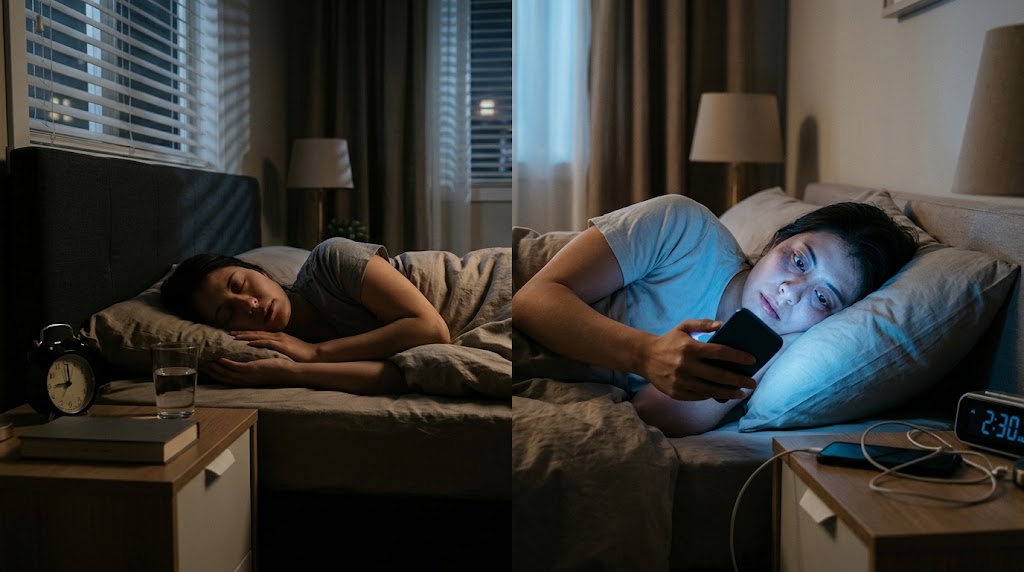
Have you ever picked up your phone before going to bed, planning to use it for just five minutes, but ended up scrolling for an hour? This is something many people experience every night. Whether we are checking social media, watching videos, chatting with friends, or reading the news, mobile phones have become a regular part of our bedtime routine.
However, spending too much time on your phone at night can affect how well you sleep. You might find it difficult to fall asleep, wake up feeling tired, or struggle to concentrate during the day. Understanding how mobile phones affect sleep quality can help you develop healthier habits and enjoy more restful nights.
The good news is that you do not need to stop using your phone completely. A few simple changes to your daily routine can help you manage screen time and improve your sleep.
1. Blue Light Can Make It Harder to Fall Asleep
One of the main reasons people discuss mobile phones and sleep is the light that comes from screens. Phones produce blue light, which can affect the body’s natural sleep-wake cycle, especially when used in the evening.
Our bodies produce a hormone called melatonin that helps prepare us for sleep. When we are exposed to bright light at night, melatonin production may be delayed, making it harder to feel sleepy at the usual time.
For example, if you spend an hour watching videos on your phone in a dark bedroom, you may feel more awake than you expected. This can delay your bedtime and leave you with less time to rest.
To reduce this effect, lower your screen brightness in the evening and try to put your phone away 30 to 60 minutes before bed. You can also use night mode, although reducing screen time is still important.
2. Scrolling at Night Can Steal Your Sleeping Time
Have you ever told yourself, “Just one more video,” only to discover that it is already midnight? Social media apps and video platforms are designed to keep people interested, making it easy to lose track of time.
This habit can affect sleep quality because you may go to bed later than planned. Even if you fall asleep quickly, getting fewer hours of sleep can leave you feeling tired the next morning.
Understanding how mobile phones affect sleep quality means looking beyond screen light. The time you spend using your phone can also make a big difference.
Try setting a specific time to stop scrolling every night. If you usually go to bed at 11 p.m., put your phone away around 10:30 p.m. and use the remaining time to relax.
3. Phone Notifications Can Disturb Your Sleep
A phone does not have to be in your hands to disturb your sleep. Sometimes, a single notification is enough to wake you up or interrupt your rest.
Messages, calls, app alerts, and vibrations can make it difficult to enjoy an uninterrupted night. Some people also wake up during the night simply to check whether they have received a message.
Even when you do not fully wake up, repeated disturbances can affect how rested you feel in the morning.
One simple solution is to activate Do Not Disturb or sleep mode before going to bed. Keep your phone away from your pillow and silence notifications that are not important. If you need to be available for emergencies, allow calls from selected contacts.
4. Social Media Can Keep Your Mind Busy
Using social media before bed can be relaxing for some people, but it can also leave the mind feeling busy. You might read upsetting news, compare your life with someone else’s, or become involved in a stressful online conversation.
These experiences can lead to overthinking when you should be relaxing. Instead of feeling sleepy, you may start thinking about problems, worrying about tomorrow, or replaying something you saw online.
This is another way mobile phones affect sleep quality, particularly for people who already experience stress or anxiety.
Try to avoid stressful content before bedtime. Instead, choose something calming, such as reading a book, listening to gentle music, or practising slow breathing. Giving yourself a little quiet time can make it easier to settle down for the night.
5. Poor Sleep Can Affect Your Health and Mood
Sleep is not just about resting your body. It also helps your brain function properly, supports emotional well-being, and allows your body to recover from daily activities.
When phone use regularly keeps you awake, you may not get enough sleep. Over time, this can affect different parts of your daily life.
You may notice that you feel tired during the day, become irritated more easily, or find it difficult to concentrate on work or studies. Lack of sleep can also affect memory, exercise performance, and your ability to manage stress.
Most adults need at least seven hours of sleep each night, although individual needs vary. If using your phone late at night regularly reduces your sleeping time, changing this habit may help you feel more energetic.
Remember that phones are not the only cause of poor sleep. Stress, caffeine, medical conditions, and irregular sleep schedules can also play a role.
6. Using Your Phone in Bed Can Become a Habit
For many people, checking a phone is the last thing they do before sleeping and the first thing they do after waking up. Over time, this routine can become difficult to change.
You might reach for your phone whenever you feel bored or cannot fall asleep immediately. However, checking messages or watching videos can keep you awake longer than necessary.
Your bedroom should be a place where you can relax and rest. If you regularly use your bed for scrolling, gaming, and watching videos, it may become harder to separate entertainment from bedtime.
Try charging your phone on a desk instead of keeping it beside your pillow. If you use your phone as an alarm, consider placing it across the room or using a separate alarm clock.
These small changes can help you break the habit of checking your phone whenever you wake up during the night.
7. Late-Night Phone Use Can Disrupt Your Sleep Schedule
Going to bed at different times every night can make it difficult to maintain a healthy sleep routine. When you stay on your phone late, you may sleep later than planned and struggle to wake up on time the next morning.
This can create a cycle of tiredness. You may feel sleepy during the day, drink more caffeine to stay awake, and then struggle to fall asleep at night.
To improve your routine, try going to bed and waking up at approximately the same time every day. Get some natural daylight in the morning and reduce bright light exposure during the evening.
A regular schedule helps support your body’s internal clock and can make falling asleep and waking up easier.
8. Simple Ways to Reduce the Effects of Mobile Phones on Sleep Quality
You do not need to give up technology to sleep better. The goal is to find a balance that allows you to enjoy your phone without letting it interfere with your rest.
Here are some practical habits you can start using today.
Put your phone away before bedtime. Start with 15 minutes without your phone before bed. Gradually increase this to 30 or 60 minutes if possible.
Reduce screen brightness. Use lower brightness in the evening and avoid staring at a bright screen in a dark room.
Turn off unnecessary notifications. Do Not Disturb or sleep mode can help prevent messages and alerts from interrupting your rest.
Avoid exciting or stressful content. Choose relaxing activities instead of watching intense videos or reading upsetting news just before sleeping.
Keep your phone away from your bed. Charging it across the room can make nighttime scrolling less tempting.
Create a relaxing routine. Read a printed book, take a warm shower, listen to calm audio, or do some gentle stretching.
Limit caffeine late in the day. Coffee, tea, energy drinks, and other caffeinated beverages may make it harder to fall asleep.
Make your bedroom comfortable. Keep the room quiet, dark, and comfortably cool to create a better environment for sleep.
These habits can help reduce the ways mobile phones affect sleep quality and make it easier to establish a consistent bedtime routine.
9. Is Night Mode Enough to Improve Sleep?
Many phones now have night mode or eye-comfort settings that make screen colours warmer. These features can be useful, but they are not a complete solution to sleep problems.
Night mode does not stop you from spending too much time scrolling, receiving notifications, or viewing content that keeps your mind active. You can still lose valuable sleeping time even when the screen is less bright.
For better results, combine night mode with reduced screen time, a consistent bedtime, and a relaxing nighttime routine.
The most important step is to pay attention to how your phone habits affect your own sleep and make changes when necessary.
10. When Should You Be Concerned About Sleep Problems?
Occasionally having difficulty sleeping is normal. However, if you regularly struggle to fall asleep, wake up several times during the night, or feel exhausted despite allowing enough time for rest, it may be worth seeking professional advice.
Persistent sleep problems can have many causes, and blaming your phone alone may prevent you from finding the real reason. A healthcare professional can help identify possible causes and recommend appropriate treatment.
You should also seek advice if you experience loud snoring, gasping during sleep, or excessive daytime sleepiness.
Improving phone habits can be helpful, but ongoing sleep difficulties may require additional support.
Conclusion
Understanding how mobile phones affect sleep quality is an important step toward building healthier habits. Using a phone late at night can delay bedtime, expose you to light that affects your body clock, interrupt your rest, and keep your mind active when it should be relaxing.
Fortunately, you do not need to make major changes overnight. Start by reducing screen time before bed, silencing unnecessary notifications, and keeping your phone away from your pillow. Try to maintain a regular sleep schedule and give yourself enough time to relax before sleeping.
Your phone can be a useful part of everyday life, but it should not take away the rest your body needs. A few small changes can help you develop a healthier relationship with technology and wake up feeling more refreshed and ready for the day.
Better sleep starts with better habits. Put your phone aside, give yourself time to unwind, and make restful sleep a priority.
Frequently Asked Questions
1. How do mobile phones affect sleep quality?
Mobile phones can affect sleep quality through evening light exposure, notifications, stimulating content, and late-night scrolling. These factors may delay sleep and reduce the time available for rest.
2. How long before bed should I stop using my phone?
Try to stop using your phone 30 to 60 minutes before bedtime. If that feels difficult, begin with a shorter break and gradually increase it.
3. Does blue light affect sleep?
Yes. Light exposure in the evening can affect melatonin production and the body’s internal clock, potentially making it harder to fall asleep at your usual time.
4. Can night mode prevent sleep problems?
Night mode may reduce some short-wavelength light, but it cannot prevent every effect of phone use. Reducing screen time and maintaining a regular bedtime are also important.
5. What is the best way to improve sleep quality?
Maintain a regular sleep schedule, allow enough time for sleep, reduce nighttime screen use, limit late-day caffeine, and create a comfortable sleeping environment. Consult a healthcare professional if sleep problems continue.
More Related Sleep and Health Guides from Fitorax
Explore these related guides for practical ways to support healthier sleep: