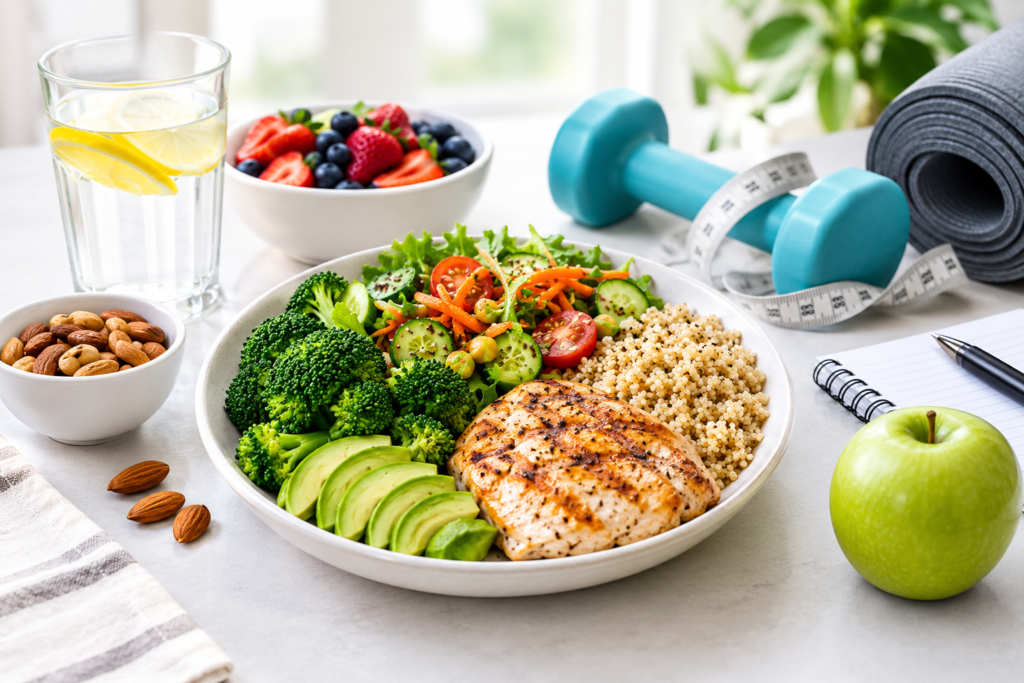
Losing weight can feel confusing when you are surrounded by strict diets, quick-fix products, and unrealistic promises. The truth is that healthy weight loss usually comes from small, consistent habits that you can maintain over time. A balanced diet, regular physical activity, good sleep, and patience can help you work toward a healthier weight without extreme restrictions.
This guide explains practical weight loss tips, foods that support weight management, and simple daily habits that can fit into a busy lifestyle.
What Is Healthy Weight Loss?
Healthy weight loss means gradually reducing excess body weight while supporting your overall health. It is not about starving yourself or avoiding entire food groups. Your body needs enough energy, protein, healthy fats, vitamins, minerals, and fluids to function well.
Progress looks different for everyone. Age, health conditions, medicines, sleep, stress, and daily routines can affect weight. Focus on habits you can sustain rather than expecting fast results every week.
1. Build a Balanced Diet for Weight Loss
A balanced diet is one of the most useful foundations for weight management. Try to include vegetables, fruit, whole grains, protein-rich foods, and sources of healthy fats across your meals. These foods provide nutrients and can help meals feel satisfying.
- Vegetables and fruit: Add variety and provide fiber, vitamins, and minerals.
- Whole grains: Choose oats, whole-wheat bread, brown rice, or other whole grains more often.
- Protein foods: Include beans, lentils, eggs, fish, chicken, yogurt, tofu, or other options that suit your diet.
- Healthy fats: Use foods such as nuts, seeds, olive oil, and avocado in reasonable portions.
You do not need to label foods as completely good or bad. The overall pattern of your eating habits matters more than one meal or snack.
2. Pay Attention to Portions and Hunger
Portion awareness can support weight loss without making meals complicated. Serve a reasonable portion, eat slowly, and pause to notice whether you are still hungry. Eating while distracted may make it harder to recognize fullness, so try to enjoy at least some meals away from screens.
You do not have to count every calorie to make progress. If tracking food feels stressful or encourages restrictive behavior, use simpler habits such as balanced plates, regular meals, and mindful portions instead.
3. Choose Filling, Nutrient-Rich Foods
Foods containing protein and fiber can help you feel satisfied. Examples include lentil soup, beans, eggs, plain yogurt, vegetables, fruit, oats, and whole grains. Pairing foods can make meals more balanced—for example, eggs with whole-grain toast and vegetables, or beans with brown rice and salad.
Keep convenient options available when possible. Washed fruit, unsweetened yogurt, boiled eggs, or a small portion of nuts can be practical snacks. You do not need special “diet” products to eat well.
4. Reduce Sugary Drinks and Stay Hydrated
Soda, sweetened tea or coffee, energy drinks, and some juices can add a lot of sugar without making you feel as full as solid food. Choosing water more often is a simple change. Unsweetened tea or sparkling water can also work if you enjoy them.
Drink fluids regularly and pay attention to thirst, weather, and activity. Water needs vary, so there is no single amount that is perfect for everyone.
5. Make Physical Activity Part of Your Routine
Regular movement supports health, fitness, and weight management. Walking is a practical place to start. You might take a short walk after a meal, use the stairs when suitable, dance at home, cycle, swim, or choose another activity you enjoy.
Adults are generally encouraged to work toward at least 150 minutes of moderate-intensity aerobic activity each week, alongside muscle-strengthening activities on two or more days, as their ability and health allow. If you are currently inactive, begin with short sessions and increase gradually. Any movement is a useful starting point.
Strength training can help maintain muscle while you lose weight. Body-weight exercises, resistance bands, or weights can all be options. If you have a medical condition, pain, or concerns about exercise safety, ask a qualified healthcare professional for guidance.
6. Get Enough Sleep and Manage Stress
Sleep and stress can affect appetite, energy, and daily choices. Try to keep a regular sleep schedule, create a relaxing bedtime routine, and reduce screen use before bed if it interferes with rest. Many adults need at least seven hours of sleep each night, though individual needs vary.
Stress management does not have to be complicated. Slow breathing, a short walk, talking with someone you trust, prayer or meditation, and taking regular breaks may help. If stress or low mood feels persistent or overwhelming, consider seeking professional support.
7. Set Realistic Goals and Track Progress Kindly
Set goals that focus on actions you can control, such as walking on several days each week, preparing balanced lunches, or adding vegetables to dinner. These goals are often more useful than focusing only on the number on a scale.
If you choose to monitor your weight, remember that it can change from day to day because of fluid, digestion, hormones, and other normal factors. You can also track energy, stamina, sleep, strength, or how consistently you follow your habits. A slow week does not mean you have failed.
Common Weight Loss Mistakes to Avoid
- Skipping meals to compensate: This can leave you overly hungry and make a balanced routine harder to maintain.
- Following extreme diets: Very restrictive plans may be difficult to sustain and may not provide adequate nutrition.
- Expecting instant results: Sustainable changes usually take time, and progress is not always linear.
- Comparing yourself with others: Bodies, health needs, and circumstances differ from person to person.
- Giving up after one setback: Return to your next helpful habit rather than treating one meal or missed workout as failure.
Sample Day of Balanced Eating
This is an example, not a prescribed meal plan. Adjust foods and portions to your appetite, culture, budget, allergies, and health needs.
- Breakfast: Oats with plain yogurt and fruit, or eggs with whole-grain toast.
- Lunch: Lentils, beans, fish, or chicken with vegetables and a whole grain.
- Snack: Fruit, plain yogurt, or a small handful of nuts if you are hungry.
- Dinner: A balanced meal with protein, vegetables, and potatoes, rice, or whole-grain bread.
When to Seek Professional Advice
If you have diabetes, heart or kidney disease, take medicines that affect weight, are pregnant or breastfeeding, have a history of disordered eating, or are considering major dietary changes, speak with a qualified healthcare professional for personalized advice. Children and teenagers need guidance appropriate for growth and development. Unexplained weight changes also deserve medical assessment.
Final Thoughts
Healthy weight loss is not about perfection or following the strictest plan. It is about building a routine that supports your body and fits your life. Start with one or two manageable changes—such as drinking water more often, eating balanced meals, walking regularly, or improving your sleep—and build from there. Consistency, flexibility, and patience can help you develop habits that support long-term health.
Health note: This article is for general educational purposes and is not a substitute for individualized medical advice.
More Related Weight Management Guides from Fitorax
Explore these related guides for practical, sustainable weight management: